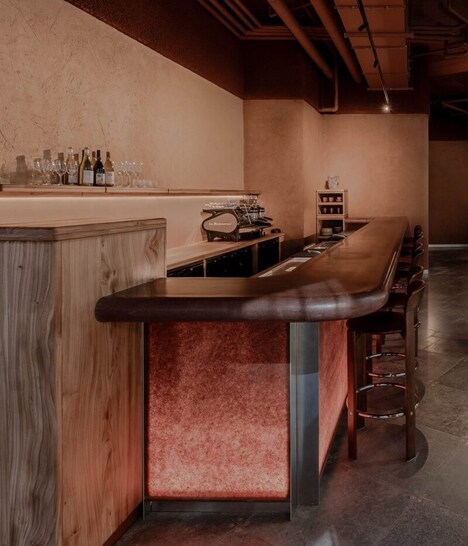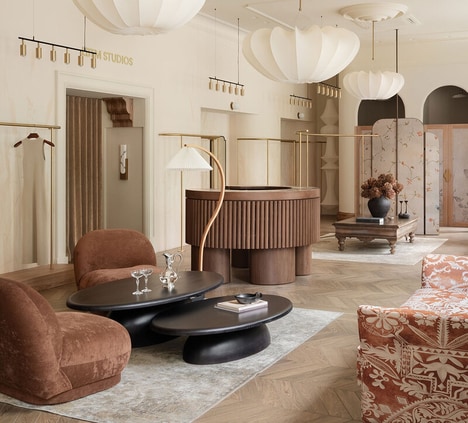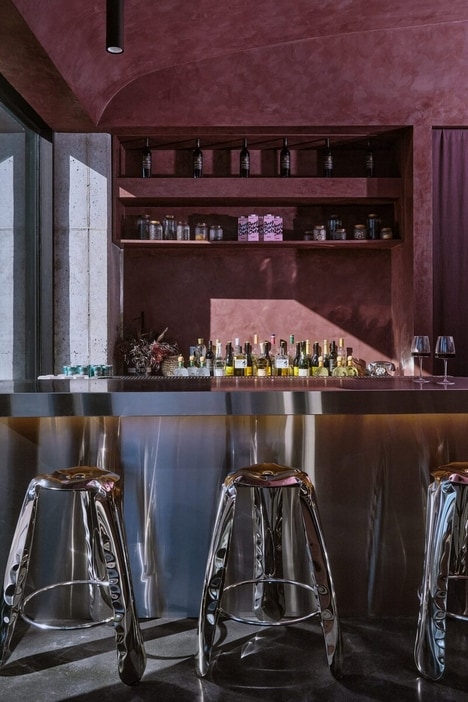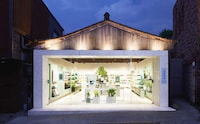
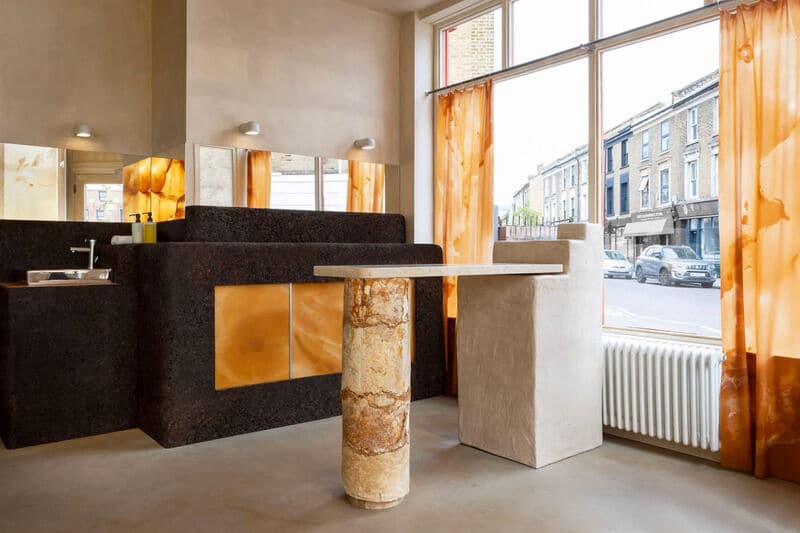
This beauty retail interior in Hackney, London boasts a laid-back luxurious aesthetic and a slew of sustainable materials. Designed by studio Nina+Co, the space is created to mirror the brand ethos of Big Beauty, a business specializing in natural skincare products.
Nina+Co dedicated itself to choosing materials that "minimize waste or revive waste products" at every turn. The beauty retail interior, therefore, boasts raw stone edges and biomaterials like mycelium. A center piece for the space s a stunning travertine stone table which is comprised of "50 percent from salvaged [materials] and 50 percent from offcuts." The space is adorned in warm and earthy tones, creating a welcoming ambiance. The main space of Big Beauty's store is designed to be flexible and capable of hosting consultations or events.
Image Credit: Anna Batchelor
Key Themes Behind This Trend
- Upcycled Materials
- The use of salvaged and revived waste products in retail interiors creates an opportunity for businesses to showcase their commitment to sustainability.
- Biotextiles
- The integration of biomaterials like mycelium in retail spaces opens up possibilities for unique and environmentally friendly design elements.
- Flexible Spaces
- Designing retail spaces to be adaptable and multifunctional allows businesses to host a variety of events and consultations, maximizing the utilization of the space.
Where This Applies
- Beauty Retail
- The beauty retail industry can leverage upcycled materials and biotextiles to create immersive and sustainable shopping experiences.
- Sustainable Design
- The field of sustainable design can embrace the use of upcycled materials and biotextiles to create eco-friendly and visually appealing interiors for various industries.
- Event Hosting
- The event hosting industry can benefit from the trend of flexible retail spaces, providing versatile venues for a wide range of events and consultations.