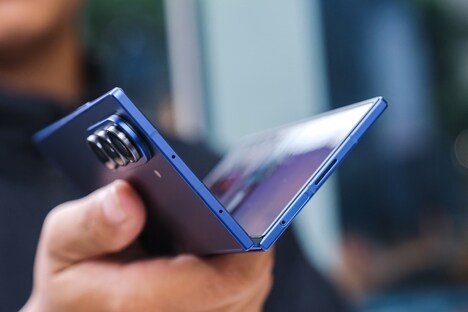
The Samsung Flex Titanium display has been developed for the foldable display category to tackle a number of the pain points that have plagued the industry in the past.
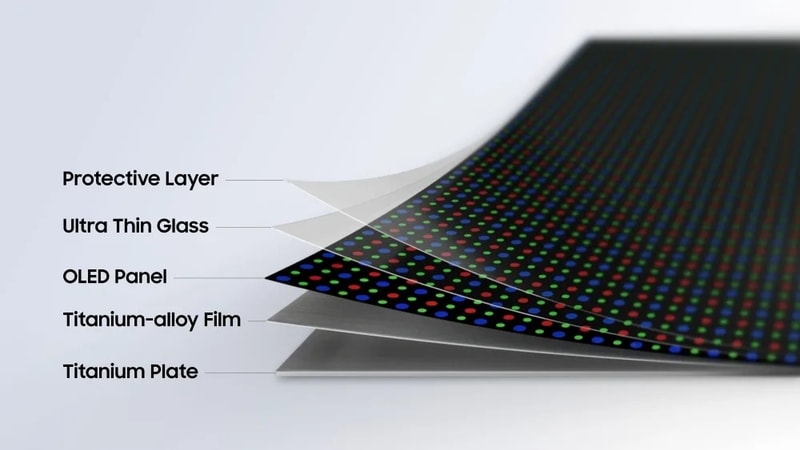
The display stands on the shoulders of seven generations of foldable innovation expertise and incorporates two titanium-based components including a titanium alloy film alongside a titanium plate. These layers within the screen tackle the issue of visible creases on foldable smartphone displays, while also enhancing durability to ensure fragility is less of a concern. The layers sit beneath the OLED panel with the titanium alloy rated to be 20-times stiffer than previous polymer films with the titanium plate offering enhanced rigidity.
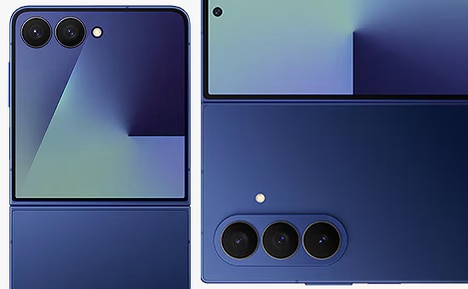
The Samsung Flex Titanium display will debut in the brand's next-generation of Galaxy foldable devices.
Image Credit: Samsung
Key Themes Behind This Trend
- Titanium Reinforced Displays
- Advanced metal-layer integration in flexible screens signals a shift toward foldables that balance slimness, rigidity, and long-term consumer durability.
- Crease-minimized Foldables
- Reduced visual distortion across folding interfaces creates room for premium device experiences that feel closer to traditional flat-screen smartphones.
- Durability-first Mobile Design
- Material engineering focused on stiffness and impact resistance reflects growing demand for devices that support everyday use without sacrificing novel form factors.
Where This Applies
- Consumer Electronics
- Foldable hardware improvements can reshape premium smartphone positioning by making experimental device formats more practical and reliable.
- Advanced Materials
- Titanium alloys and rigid support plates highlight emerging commercial value for lightweight, high-strength materials in compact digital products.
- Display Manufacturing
- Next-generation OLED stack designs present opportunities for suppliers to differentiate through thinner, stronger, and more visually seamless flexible panels.