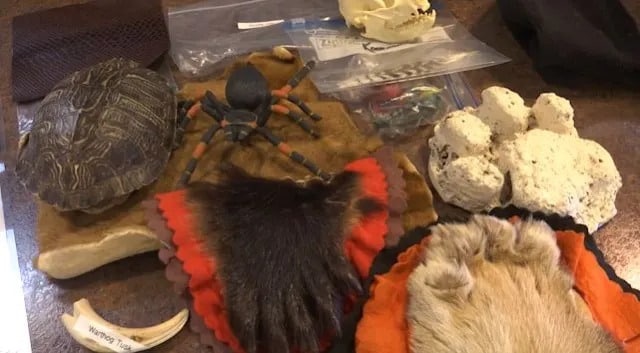
The Roosevelt Park Zoo in Minot, North Dakota, has developed a resource kit intended to improve the visiting experience for individuals with sensory disabilities. The collection, termed a Sensory Explorer Kit, contains a variety of tangible items such as animal fur, bones, shells, and reptile skins. It is also equipped with a reference card that provides access to digital audio recordings of animal vocalizations through scannable QR codes.
The Roosevelt Park Zoo's initiative was reportedly prompted by an inquiry from a school group about sensory accommodations for a student with visual impairment. According to Travis Heil, an educator at the zoo: "We want to be accessible to everyone in the community, to be able to feel like they can come here and learn more about the animals."
Image Credit: KXNET
What's Driving This Trend
- Tactile Accessibility Enhancements
- The focus on tactile resources like animal fur and bones highlights the growing trend of creating inclusive experiences for individuals with sensory disabilities.
- Digital Integration in Sensory Kits
- Utilizing QR codes for accessing audio recordings demonstrates a trend towards merging physical and digital mediums to enhance accessibility in educational settings.
- Inclusive Educational Experiences
- The demand for educational adaptations that serve a diverse audience is increasing, encouraging institutions to innovate in how they deliver content effectively.
Who This Affects Most
- Zoo and Wildlife Conservation
- Zoos are increasingly incorporating sensory-friendly tools to create more accessible environments, pointing to a shift towards inclusivity in wildlife education.
- Assistive Technology
- The development of sensory-focused kits suggests a growing industry focus on assistive technology that bridges educational gaps for individuals with disabilities.
- Educational Materials
- The evolution of educational materials to include tactile and digital elements signals an industry-wide move towards more inclusive and engaging learning tools.