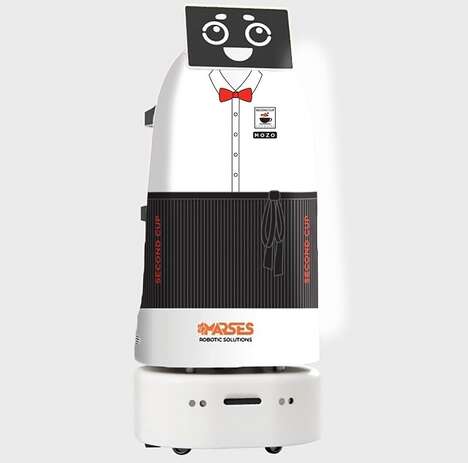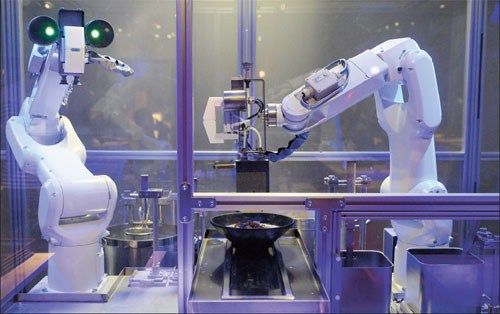
Researchers at the Massachusetts Institute of Technology developed a fleet of robotic waiters that help improve efficiency at restaurants and bars. Many people understand the frustrating feeling of not being able to flag down a server when you need one. These clever bots make dinning a more efficient experience by improving the speed of customer service.
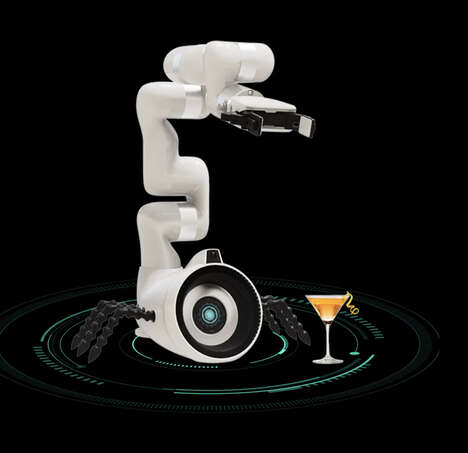
The researchers began with a two-armed PR2 robot and two Turtlebots. These robotic waiters are programmed to take orders from customers, before returning to the kitchen to fetch the drinks. The robots are also programmed to deal with a number of possible scenarios, such as the bartender not being able to serve the desired drink.
While it may be a few more years before you see a robot bartender at your favorite drinking establishment, the automated technology could be extremely beneficial for the hospitality industry.
Why This Trend Is Growing
- Robot Waiters
- Utilizing robotic waiters can improve efficiency and speed up customer service in the hospitality industry.
- Automated Bartending
- Developing fully automated bartending systems can streamline operations and enhance customer satisfaction in restaurants and bars.
- AI Customer Service
- Implementing AI-powered customer service can help restaurants and bars provide faster and more accurate order taking and drink delivery.
Industries Being Reshaped
- Hospitality
- Adopting robotic waiters and automated bartending systems can revolutionize the way restaurants and bars serve their customers.
- Robotic Technology
- Developing and refining robotic technologies for the food and beverage industry opens up new possibilities for automation and efficiency.
- AI and Machine Learning
- Utilizing AI and machine learning algorithms can enable businesses in the hospitality industry to enhance customer service and optimize operations.