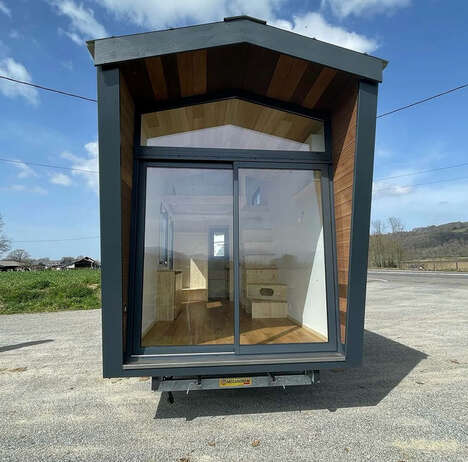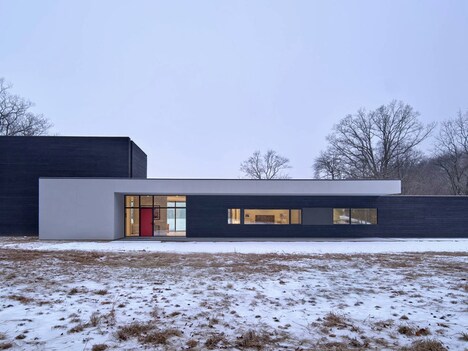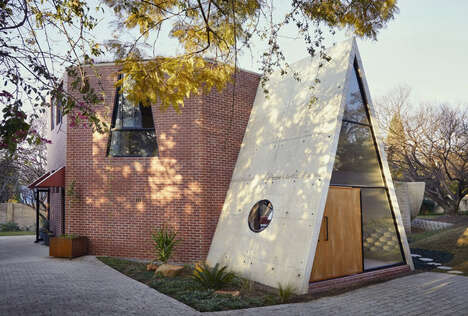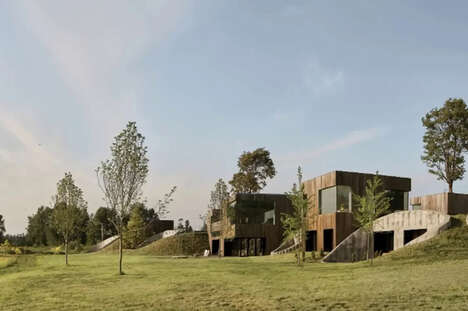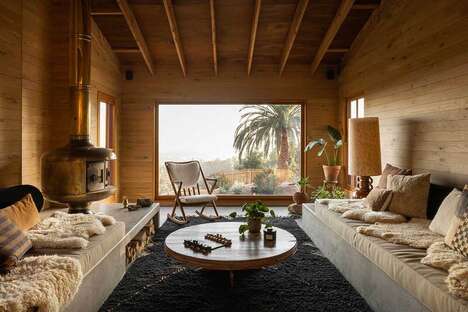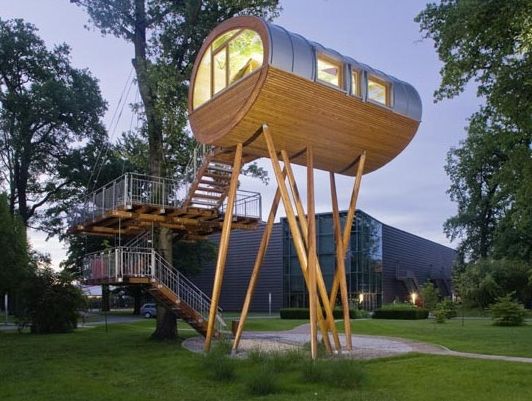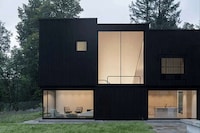

At 2,700 square feet and the definition of a geometric gem, the Ross Street House was designed by Carol Richard, founding partner of the Atlanta-based architecture firm Richard Wittschiebe Hand, with the help of her engineer hubbie Fred Berg.
Receiving the highest LEED rating there is (platinum), the Ross Street house is a domestic delight in the middle of Wisconsin. I guess cheese and architecture are the two big things up there.
Implications - Consumers enjoy handcrafted goods because they feel the labor and patience required to make such products has added intrinsic value. Corporations may consider a line of handmade products in order to generate higher revenue.
Key Themes Behind This Trend
- Handcrafted Goods
- The demand for handcrafted goods is growing as consumers value the labor and patience required in their production.
- Sustainable Architecture
- LEED-certified buildings, like the Ross Street House, are becoming more popular as consumers prioritize sustainable living.
- Value-added Products
- Handmade products are perceived to have added value, presenting an opportunity for corporations to offer a line of handmade goods.
Where This Applies
- Artisanal Goods
- The artisanal goods industry can capitalize on the growing demand for handcrafted products.
- Architecture
- The architecture industry has an opportunity to embrace sustainable design practices and cater to clients seeking eco-friendly homes.
- Retail
- Retailers can explore offering value-added handmade products to tap into the consumer preference for unique, labor-intensive items.