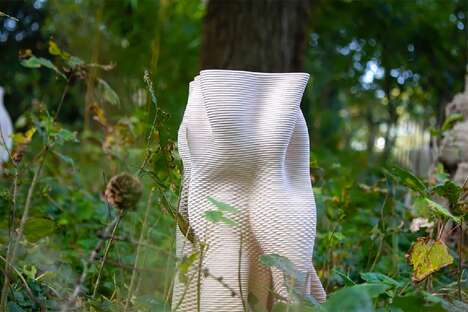
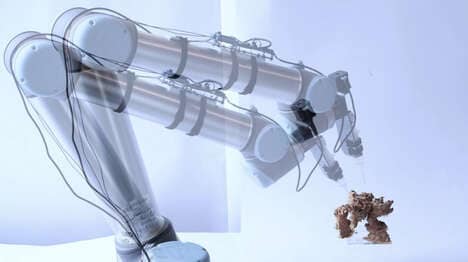
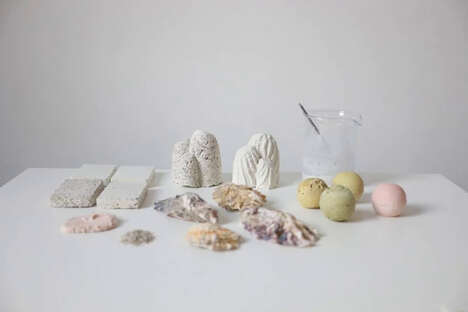
In an effort to prevent rhino extinction, startup Pembient is bioengineering wildlife products such as horns. The 3D printed rhino horns are supposed to be a sustainable alternative to real horns, and will hopefully help to save the species.
In the last 40 years, almost 95% of the global rhinoceros population has been killed off by poachers. Rhino horns are extremely valuable in the illegal wildlife trade, so stopping poaching has proved next to impossible. This 3D printed solution is a cheaper option that keeps conservation in mind.
Using biotechnology, Pembient is able to create a substance that is similar to a rhino horn genetically and spectrographically. They hope by selling them, they will be able to disrupt the industry and stop rhino extinction by reducing the incentive to kill.
What's Driving This Trend
- Bioengineered Wildlife Products
- The trend of bioengineering wildlife products presents an opportunity for disruptive innovation by creating sustainable alternatives to endangered animal products.
- 3D Printing in Conservation
- The trend of using 3D printing technology in conservation efforts provides an opportunity for disruptive innovation by producing synthetic alternatives to endangered animal parts.
- Biotechnology in Wildlife Trade
- The trend of utilizing biotechnology in the wildlife trade industry offers an opportunity for disruptive innovation by creating synthetic substitutes that reduce the demand for real animal products.
Who This Affects Most
- Conservation
- The conservation industry can explore disruptive innovation opportunities by integrating bioengineered and 3D printed solutions to protect endangered species.
- Biotechnology
- The biotechnology industry can seize disruptive innovation opportunities by developing genetic and spectrographic alternatives to endangered animal products.
- Wildlife Trade
- The wildlife trade industry can embrace disruptive innovation by promoting the adoption of bioengineered wildlife products that reduce the illegal trafficking of endangered animal parts.