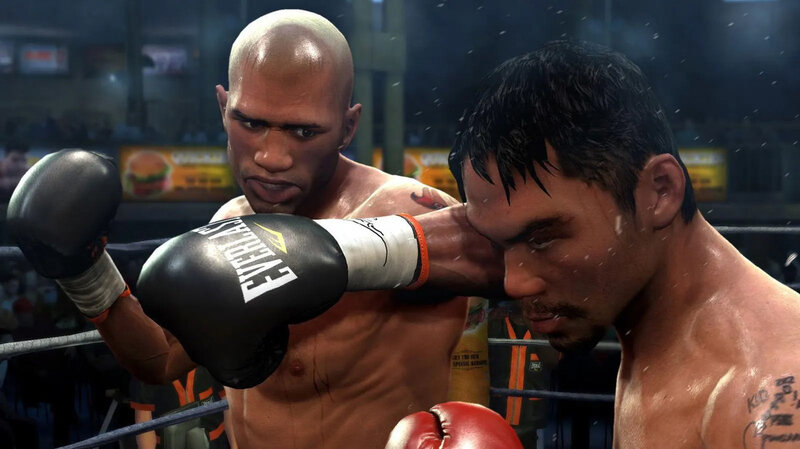
EA is bringing 'Fight Night' back for boxing game players, reviving a series dormant since 'Fight Night Champion' in 2011. The comeback revives one of boxing gaming's biggest names after five mainline entries sold more than 9.5 million copies.
Boxing games face a rights problem that league sports avoid because publishers need separate deals with individual fighters instead of a single league license. Turki Alalshikh's ties to fighters, along with Zuffa's roster, give EA a built-in pool that can include names such as Conor Benn and Oleksandr Gvozdyk, while the title, platforms, and release timing remain open.
A built-in Zuffa roster turns roster building from the core obstacle into a production advantage, allowing EA to start with recognizable boxers instead of negotiating every slot from scratch. With Undisputed already active, that licensing base lets Fight Night compete on depth instead of dealmaking.
Image Credit: EA
What's Driving This Trend
- Built-in Fighter Rosters
- Pre-negotiated athlete pools reduce licensing friction and create room for faster content pipelines in combat sports games.
- Revived Sports Franchises
- Dormant game brands with loyal fan bases can re-enter the market with lower awareness costs and renewed platform relevance.
- Individual Rights Aggregation
- Centralized access to fragmented athlete rights reshapes competitive advantage in sports categories without unified league licensing.
Who This Affects Most
- Video Game Publishing
- Established publishers can convert legacy franchises and licensing networks into differentiated releases in underserved sports genres.
- Combat Sports Entertainment
- Boxing and mixed martial arts ecosystems gain new digital channels for athlete visibility, fan engagement, and cross-promotional storytelling.
- Sports Licensing
- Rights management models that bundle individual talent access are becoming strategic infrastructure for interactive entertainment products.