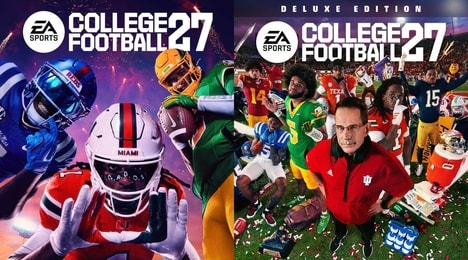
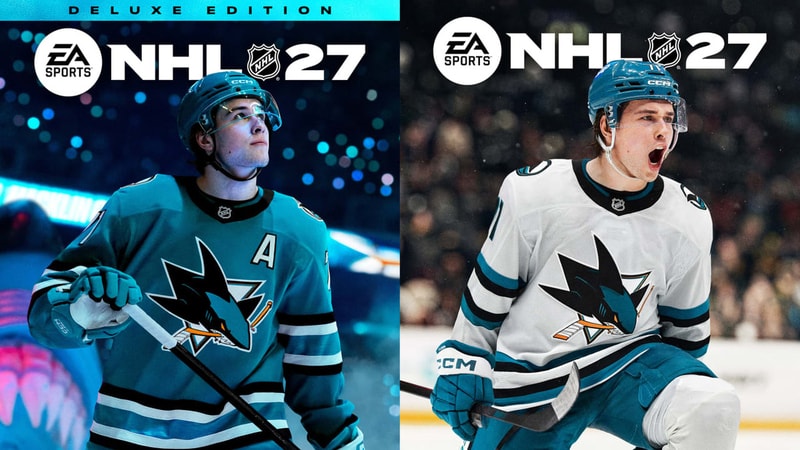
Electronic Arts unveiled EA SPORTS 'NHL 27,' recreating all 32 NHL arenas through authentic goal songs, team-specific pre-game presentations and an overhauled dynamic crowd system. San Jose Sharks forward Macklin Celebrini appears on the Standard and Deluxe Edition covers, marking a new era for the franchise alongside a refreshed commentary team featuring John Buccigross and Darren Pang.
The game introduces Connected Franchise, a new mode shaped by a decade of community requests that lets players create and manage a shared online league with up to 32 human-controlled teams, flexible scheduling and commissioner tools. NHL 27 launches September 11, 2026, with Deluxe Edition pre-orders receiving seven days of early access.
EA Sports shows how recreating the atmosphere of a home arena, down to individual goal songs and crowd behavior, can deepen players' emotional connection to their teams.
Image Credit: EA Sports
What's Driving This Trend
- Arena-authentic Gameplay
- Hyper-specific venue details such as goal songs, crowd reactions and pre-game rituals create new potential for sports games to compete through emotional realism rather than graphics alone.
- Community-shaped Franchise Modes
- Long-requested shared league systems reflect how player communities can influence premium game design and extend engagement through social management mechanics.
- Cover-star Generational Marketing
- Featuring rising athletes as franchise faces positions sports titles around emerging fandoms and gives publishers a way to refresh legacy brands with youth-driven relevance.
Who This Affects Most
- Sports Gaming
- Realistic arena recreation and online franchise tools signal opportunities for deeper personalization, persistent competition and fan identity within annual sports releases.
- Professional Sports
- Team-specific digital experiences can strengthen loyalty by translating in-arena traditions into interactive media that reaches fans beyond physical venues.
- Gaming Technology
- Dynamic crowd systems, connected leagues and broadcast-style presentation highlight the value of simulation, networking and audio design in building more immersive entertainment platforms.