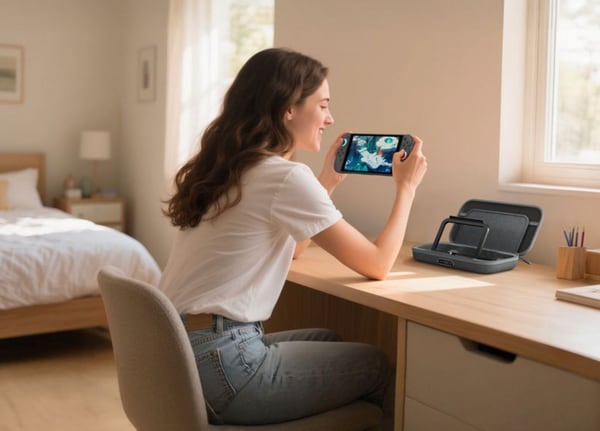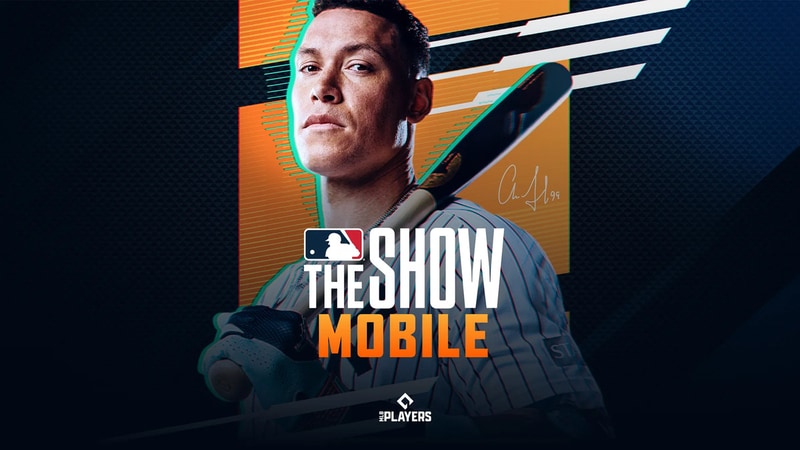
Mobile sports simulation gaming is bringing console-quality sports experiences to smartphones by combining realistic gameplay with collectible team-building mechanics. MLB The Show Mobile extends the long-running baseball franchise into a free-to-play format that allows players to collect hundreds of athlete cards, build customized rosters, and compete in both solo and multiplayer modes. The game blends real-time baseball action with progression systems, strategic lineup management, and officially licensed teams, athletes, and stadiums. By adapting skill-based gameplay for touchscreens, the platform aims to make sports simulation more accessible to mobile audiences.
The growing demand for mobile-first entertainment is encouraging game publishers to expand established franchises beyond traditional consoles. Free-to-play sports titles can attract larger audiences while generating ongoing engagement through progression systems, content updates, and digital collectibles. For sports leagues, publishers, and licensing partners, mobile platforms create new opportunities to reach younger players, strengthen fan engagement, and build recurring revenue streams through long-term live-service gaming ecosystems.
Image Credit: Sony
What's Driving This Trend
- Mobile Sports Franchises
- Established console sports properties are shifting into smartphone-first formats where licensed content, simplified controls, and persistent progression create broader access to premium fan experiences.
- Collectible Team-building
- Digital athlete cards and roster customization blend sports fandom with game economy mechanics, opening space for recurring engagement models tied to player identity and performance.
- Live-service Sports Gaming
- Ongoing content drops, multiplayer competition, and seasonal progression systems are turning sports simulations into always-on entertainment platforms with long-term monetization potential.
Who This Affects Most
- Mobile Gaming
- Touchscreen-optimized simulations with console-inspired depth are expanding the mobile market beyond casual play and supporting richer free-to-play ecosystems.
- Professional Sports
- League and athlete licensing in mobile games strengthens fan relationships by embedding teams, stadiums, and player likenesses into interactive daily entertainment.
- Digital Collectibles
- Sports-based virtual assets are creating new intersections between fandom, personalization, and game progression as consumers assign value to collectible digital identities.