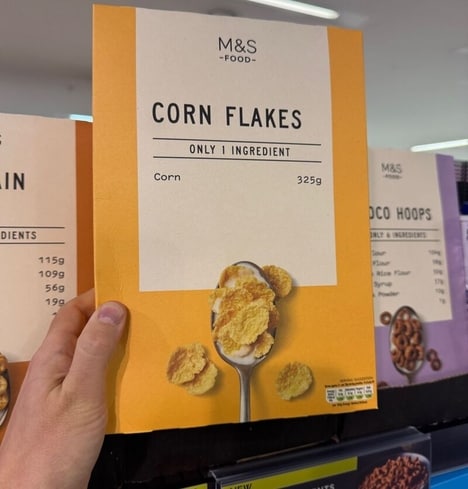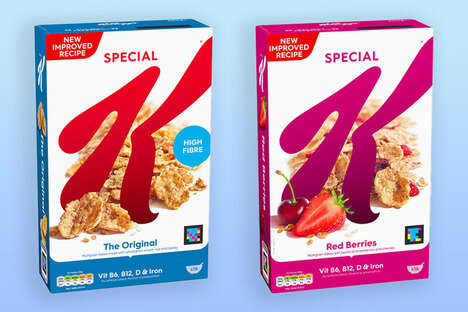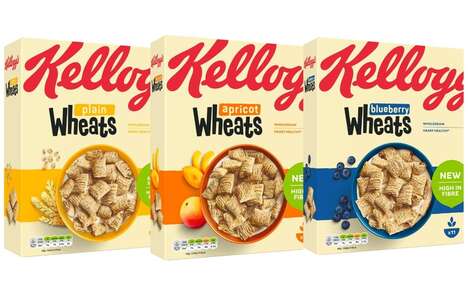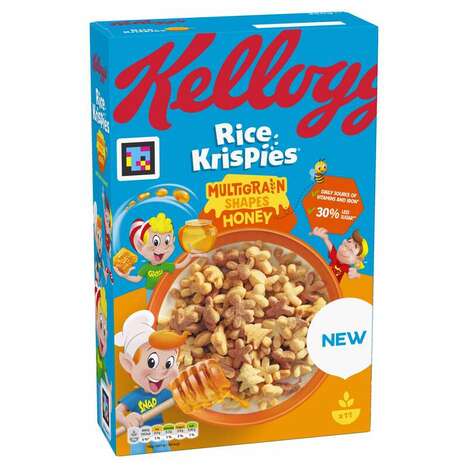
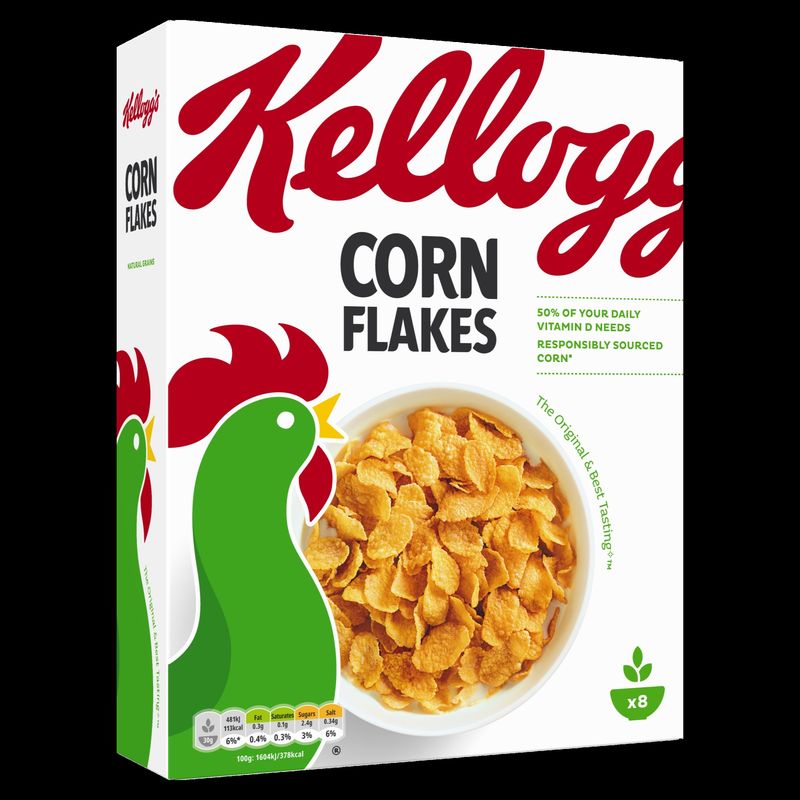
Fans of Kellogg's Corn Flakes in Europe are now able to purchase the iconic cold cereal product in a Responsibly Sourced Corn Flakes version. Knowing that consumers are becoming increasingly interested in what goes into the making of their food, the quality of the ingredients and where they were sourced from, Kellogg's now uses corn for its Corn Flakes in Europe from farmers in Argentina, in accordance with the best environmental and social practices. While Kellogg does have its own standard for determining that the corn is responsibly sourced, it is modeled on some of the standards as outlined by international non-governmental industry groups.
On the boxes of Kellogg's Corn Flakes sold in Europe, consumers will see that the packaging calls out the company's use of Responsibly Sourced Corn.
What's Driving This Trend
- Responsibly Sourced Products
- Kellogg's is responding to consumer demand for responsibly sourced ingredients with its Responsibly Sourced Corn Flakes.
- Transparency in Food Production
- Consumers are increasingly interested in the quality and origin of their food, creating opportunities for brands to transparently showcase their sourcing practices.
- Environmental and Social Sustainability
- Kellogg's commitment to using corn from farmers in Argentina aligns with the growing focus on environmental and social responsibility in the food industry.
Who This Affects Most
- Food Manufacturing
- Food manufacturers have the opportunity to establish themselves as leaders in responsible sourcing by adopting and promoting sustainable practices.
- Agriculture
- Farmers who practice responsible and sustainable farming methods can take advantage of the demand for responsibly sourced ingredients from food manufacturers.
- Consumer Goods
- Companies in the consumer goods sector can differentiate themselves by offering responsibly sourced products and appealing to conscientious consumers.