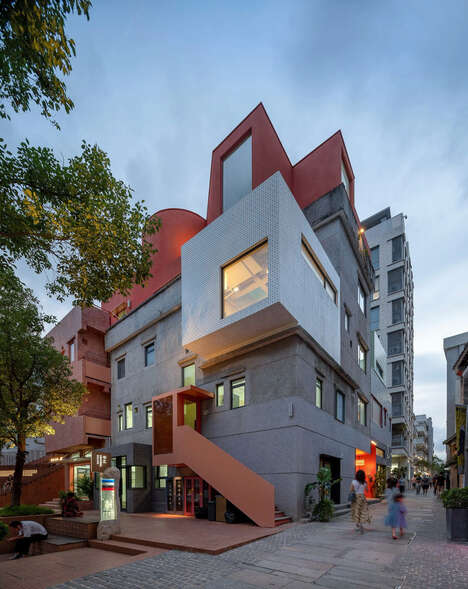
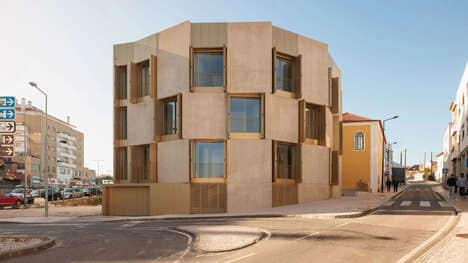
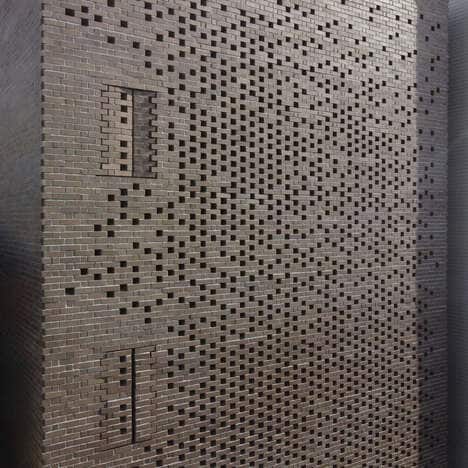
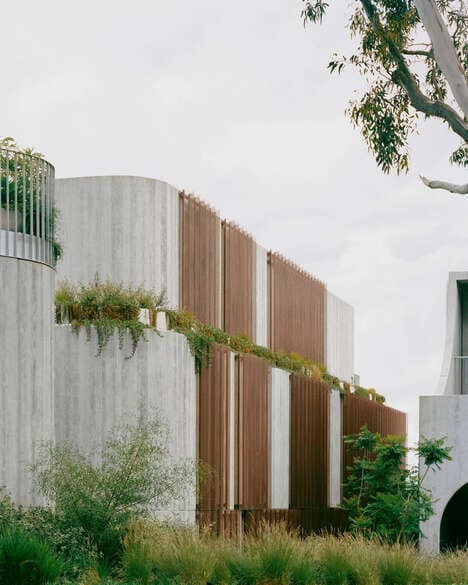
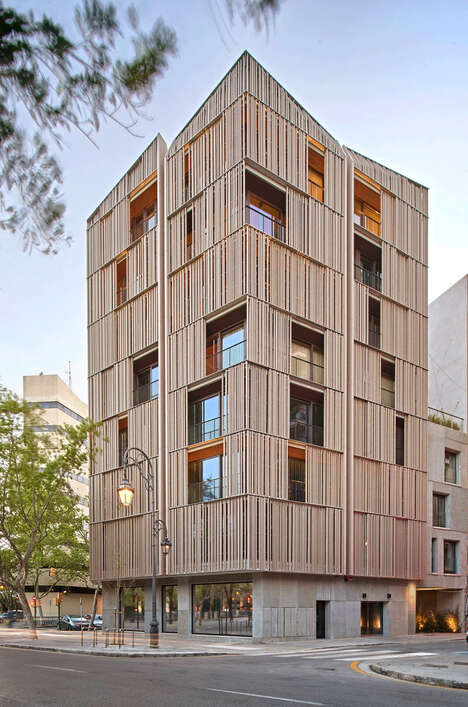
Chinese architecture studio Neri&Hu completed a residential building located in Taiwan. It is defined by its grided metal facade that is complemented by inverted arched screens. This rests on a US military base in Taipei and it is meant to reflect a community feeling and a more steady pace of life in the district in contrast to the busy commercial areas of Taipei. Notably, it also has a timeless design which seamlessly blends with the low-rise buildings dating back to the 70s.
The studio explains, "In this context of Taipei and Zhishan, our design intent for a high-end residential building was to embody a timeless aesthetic through the use of tectonic forms and tactile materials." It continues, "The two opposing elements of structure and screen are working in harmony to achieve a delicate balance between masculine and feminine, historic and modern, cool and warm, rational and expressive."
Image Credit: Studio Millspace
What Makes This Trend Stand Out
- Grid-facade Architecture
- Grid-facade architecture emphasizes the blend of modern aesthetics with historical contexts to create timeless and balanced residential buildings.
- Tectonic Forms
- The utilization of tectonic forms in residential design fosters a harmony between structural integrity and aesthetic appeal, catering to both functional and visual desires.
- Inverted Arched Screens
- Inverted arched screens introduce a unique architectural element that balances contrasting themes such as masculine and feminine or historic and modern.
Sectors Adopting This
- Architectural Design
- Architectural design can explore innovative ways to integrate contemporary materials with classic elements to serve diverse aesthetic preferences.
- Residential Construction
- Residential construction can benefit from adopting design strategies that emphasize community, timelessness, and a balance of contrasting elements.
- Urban Planning
- Urban planning can incorporate designs that promote a steady pace of life, blending historical integrity with modern functionality in residential areas.