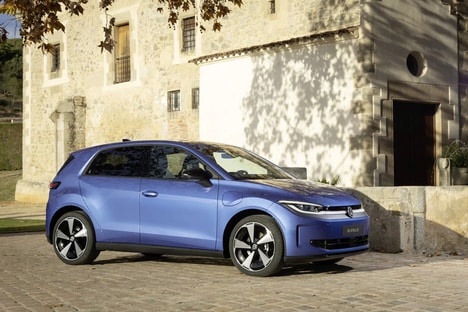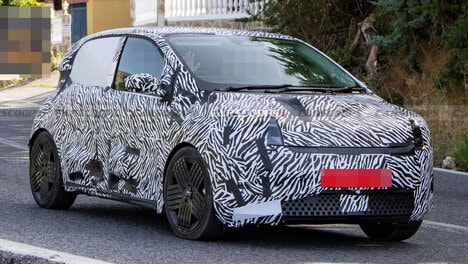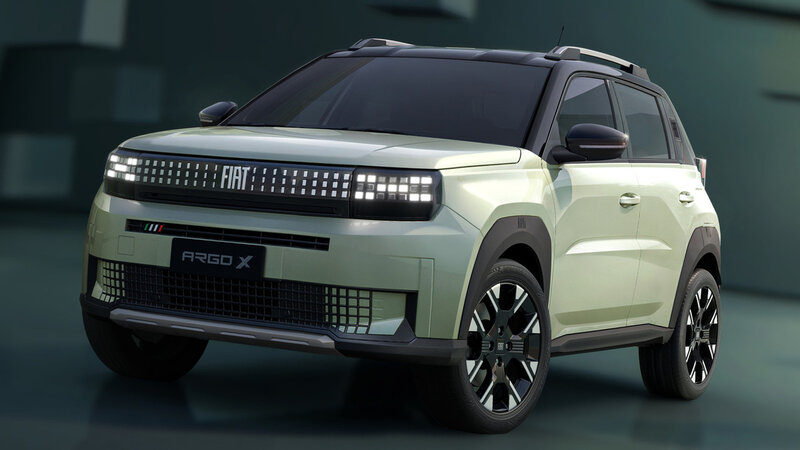
Fiat is bringing the ‘Argo X’ to Brazil with smoother doors and a different powertrain mix, giving the hatchback a distinct identity from the Grande Panda it closely mirrors. Changes include symmetrical grille and tailgate emblems, plus a rear Argo X badge and different alloy wheels.
The South American model keeps the boxy shape, raised stance, plastic cladding and pixel-style LEDs, but its engine range shifts to 1.0-liter three-cylinder units that can run on gasoline or ethanol. One turbocharged version is expected to make 114 hp, which gives the hatchback more punch.
Fiat shows how a Brazil-specific setup can keep the Argo hatchback on sale as a lower-cost alternative while introducing a newer design language, with local production at the Betim plant giving the model a clearer regional role instead of treating it as a straight copy of the European car.
Image Credit: Stellantis
Key Themes Behind This Trend
- Regional Vehicle Localization
- Market-specific styling, naming, and feature changes create space for automakers to extend platform value while aligning products with local identity and price expectations.
- Flex-fuel Compact Cars
- Ethanol-compatible small engines highlight how regional fuel ecosystems can shape powertrain strategies and differentiate budget-friendly models in emerging markets.
- Affordable Design Refreshes
- Incremental exterior updates and shared architecture offer a pathway for lower-cost vehicles to appear newer without requiring full redesign investments.
Where This Applies
- Automotive Manufacturing
- Localized production enables brands to tailor vehicles for regional demand while improving cost control and supply chain responsiveness.
- Alternative Fuels
- Flex-fuel compatibility reinforces the commercial relevance of ethanol infrastructure in markets where gasoline alternatives influence vehicle purchasing decisions.
- Emerging Market Mobility
- Budget-focused hatchbacks with modern styling reflect growing demand for accessible transportation that balances affordability, efficiency, and brand differentiation.