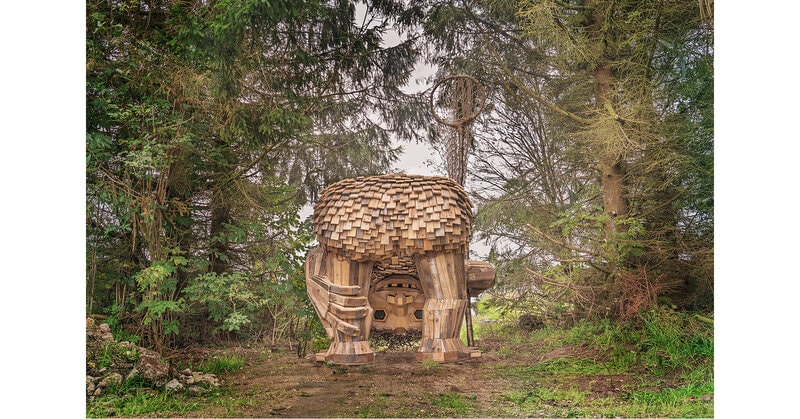
Thomas Dambo is bringing 'TROLLS: A Field Study' to Frederik Meijer Gardens & Sculpture Park, where his first traveling exhibition in Michigan opens May 14, 2027. The outdoor installation centers on 12 oversized trolls that use whimsy and storytelling to frame a walk-through encounter with art and nature.
Each sculpture is built from reclaimed materials, including fallen branches and wooden pallets, so the figures feel rooted in the landscape instead of separate from it. One named troll, 'Taks,' gives the group a character hook, while the exhibition's book extends the experience from the trolls' own perspective. The format turns recycled materials into a destination attraction and gives the garden a fresh seasonal draw.
At a major sculpture park, the reclaimed build and site-specific scale broaden what outdoor art can offer families and casual visitors alike. The 2027 run through Oct. 31 gives the park a long exhibition window that can support repeat visits and steady attendance throughout the season.
Image Credit: Thomas Dambo
What's Driving This Trend
- Reclaimed Art Attractions
- Recycled materials are becoming immersive cultural draws, creating room for venues to differentiate seasonal programming through sustainability-led spectacle.
- Story-driven Nature Walks
- Narrative characters embedded into outdoor environments can transform passive garden visits into memorable, family-friendly exploration formats.
- Oversized Eco Installations
- Large-scale sculptures made from found natural and industrial materials are expanding public art into high-impact experiences with environmental resonance.
Who This Affects Most
- Museums and Galleries
- Cultural institutions can use temporary outdoor exhibitions to broaden audience appeal beyond traditional indoor art engagement.
- Parks and Gardens
- Botanical and sculpture parks are positioned to convert landscape assets into repeat-visit destinations through experiential installations.
- Sustainable Tourism
- Eco-conscious attractions that blend reuse, storytelling, and place-based design can strengthen regional tourism while aligning with greener travel expectations.