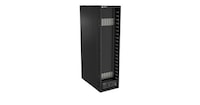
Grid-responsive AI computing is helping data centers manage electricity demand as DriveNets and Bentaus introduce a system that adjusts computing power without interrupting workloads. The joint deployment combines optimized GPU networking with automated energy controls, reducing power consumption by 30% while maintaining 97% of token throughput.
The system uses AMD Instinct MI325X GPUs, DriveNets AI Fabric, and Bentaus Ziani software to coordinate computing performance with changing grid conditions. Its networking technology improves GPU utilization, while real-time controls adjust processor power consumption. The architecture also supports equipment from multiple vendors, offering greater flexibility for infrastructure operators.
For DriveNets and Bentaus, the solution creates opportunities to serve data centers facing electricity constraints. Lower energy requirements could reduce operating expenses, support additional AI capacity, and help infrastructure providers manage growing computing demand without placing equivalent pressure on power grids.
Image Credit: DriveNets
Key Themes Behind This Trend
- Grid-adaptive AI Infrastructure
- Dynamic compute systems that respond to electricity conditions create openings for data centers to expand AI workloads while easing pressure on constrained power grids.
- Energy-aware GPU Optimization
- Real-time power tuning paired with high-utilization GPU networking signals a shift toward AI performance models that prioritize efficiency without sacrificing throughput.
- Multi-vendor Compute Flexibility
- Interoperable AI infrastructure introduces room for operators to avoid vendor lock-in while assembling energy-efficient systems around changing workload and grid needs.
Where This Applies
- Data Centers
- Facilities managing dense AI workloads can benefit from architectures that lower electricity consumption while preserving service reliability and computational output.
- Artificial Intelligence Infrastructure
- AI hardware and networking providers are positioned around demand for platforms that balance model performance, operating costs, and power availability.
- Energy Management Software
- Software that coordinates computing behavior with grid signals represents a growing category for optimizing industrial electricity use in real time.