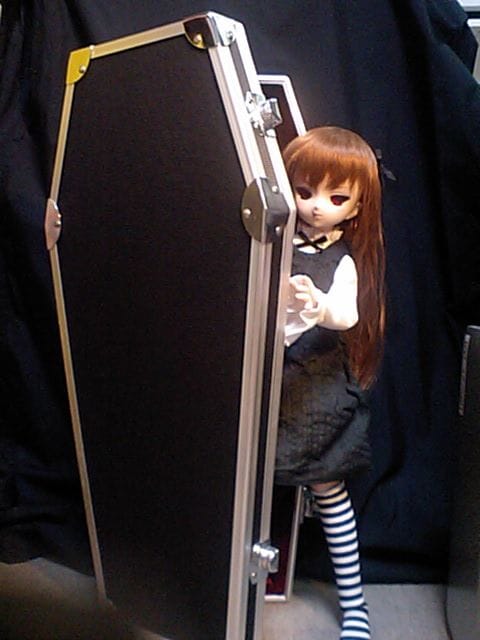

Product designer Elodie Delassus’ ‘Sourisverte’ is an eco-friendly rat trap. The idea is to lure the unwanted rodent into a cardboard container where it eats poisonous seeds and dies. Burying the dead rat with this container will let the decaying animal nourish a garden.
The rat trap design has some problems, however. No self-respecting rat would be contained by cardboard. Rats have very sharp teeth in order to escape from such confinement. Poison generally causes a slow, painful death -- it’s not eco-friendly. Making and using a cardboard trap is wasteful. It would be better to let a cat do the work.
What's Driving This Trend
- Eco-friendly Pest Control
- Opportunity for developing innovative, non-toxic and sustainable pest control solutions.
- Animal-friendly Trapping Methods
- Potential for designing humane traps that capture pests without causing harm or suffering.
- Garden Fertilization From Pest Control
- Possibility of creating systems that utilize the remains of pests for nourishing plants.
Who This Affects Most
- Pest Control
- Developing advanced pest control methods that prioritize environmental sustainability and animal welfare.
- Design and Manufacturing
- Creating innovative and efficient traps that address the limitations of traditional pest control methods.
- Agriculture and Horticulture
- Integrating pest control practices into gardening and farming to improve soil fertility and plant health.