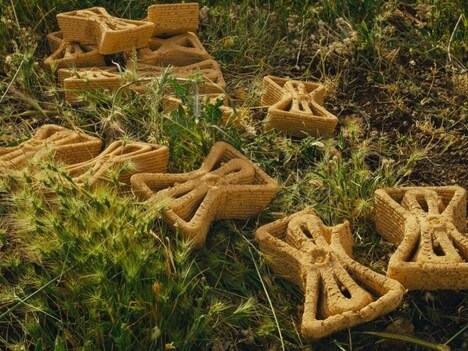
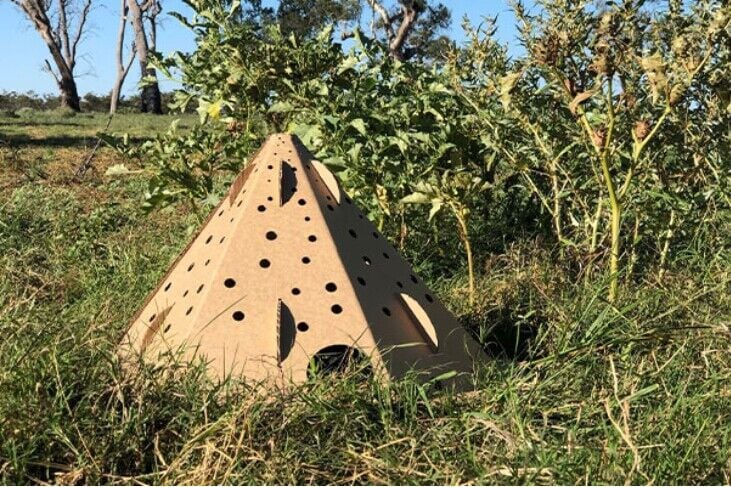
Dr. Alexandra Carthey, a cross-disciplinary researcher at Macquarie University, has created a biodegradable wildlife habitat structure for displaced wildlife. Australia has suffered several wildfires recently, and this has led to a large number of wildlife species being displaced from their original homes. The solution that Dr. Carthey created is a small cardboard pod named the 'Habitat Pod.'
The Habitat Pods are roughly two feet tall and feature an inside reinforced by cardboard in a six-pointed star formation. The outer layer of the pod has holes for air and sunlight to reach in which ensures that nature will continue to grow under the pods. These pods will be mass-produced and placed around bushland in Australia that has fallen victim to wildfires. This should provide land-dwelling wildlife with a homing solution that lasts long enough for nature to regrow.
Image Credit: Dr. Alexandra Carthey, WWF
Why This Trend Is Growing
- Biodegradable Wildlife Habitat
- The creation of biodegradable wildlife habitats presents an opportunity for companies to develop eco-friendly solutions for displaced wildlife.
- Cardboard-based Structures
- The use of cardboard-based structures for wildlife habitats could be a disruptive innovation opportunity in the architecture and construction industries.
- Nature-inspired Design
- The use of nature-inspired designs for creating sustainable wildlife habitats could be a trend in the product design and manufacturing industries.
Industries Being Reshaped
- Environmental Conservation
- Manufacturers and suppliers of environmental conservation products and services can incorporate biodegradable wildlife habitats as a key offering for their businesses.
- Architecture and Construction
- The creation and installation of cardboard-based structures for wildlife habitats presents new opportunities in the architectural and construction industries.
- Product Design and Manufacturing
- Nature-inspired designs for creating sustainable wildlife habitats could become a new trend in the product design and manufacturing industries.