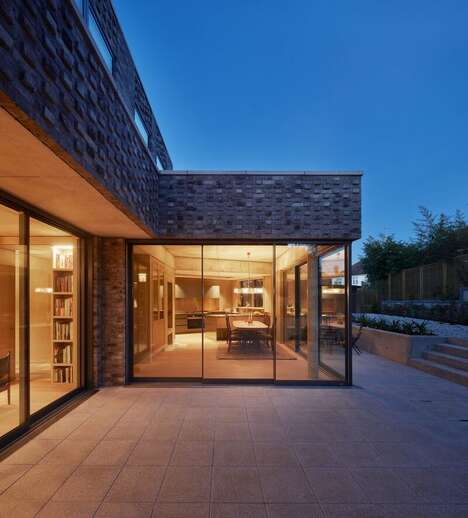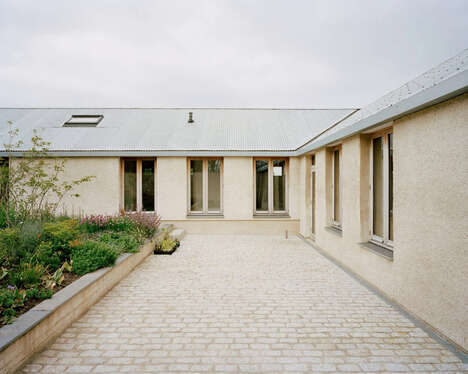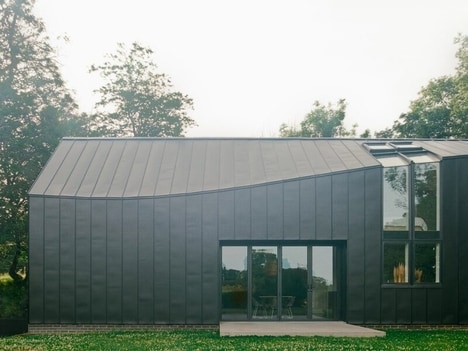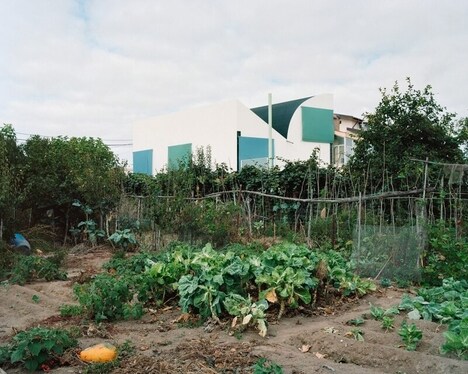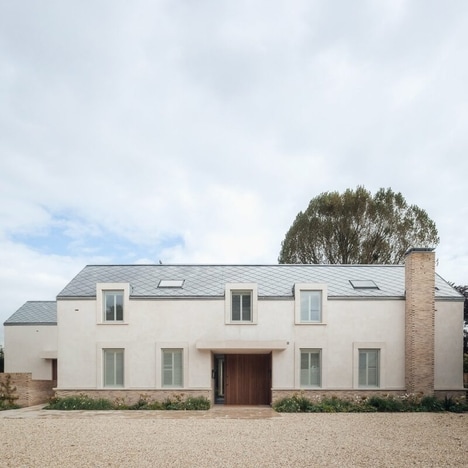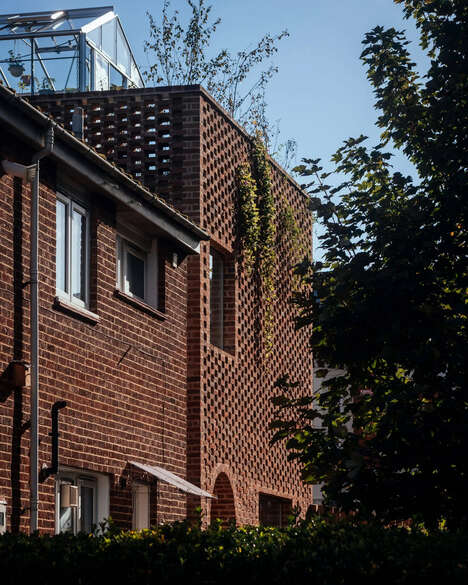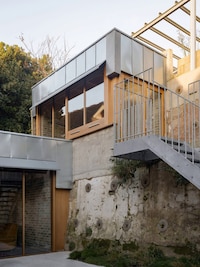


Charles Holland Architects conceptualized a wonderfully quirky house with "an extra-long roof and mismatched windows." The visualizations boast an incredibly quaint structure with a strikingly interesting aesthetic.
Located in Kent, England, Charles Holland Architects have been granted permission to erect the extravagant home. Described as a "mannerist inversion of its neighborhood" — where mannerism refers to an art style that puts focus on technical skill through stylistic exaggerations, the quirky house will surely add a cheerful character to its setting.
Initially, Charles Holland Architects were denied a permit to build the structure but appealed. Finally, the design was approved thanks to a clause that enabled and advocated for "exceptional and innovative" buildings in the countryside.
Why This Trend Is Growing
- Quirky Architecture
- Exploring unconventional and eccentric designs in architecture opens up opportunities for unique and standout structures in the industry.
- Mannerist Style
- Incorporating mannerist art style elements into modern architecture creates a visually interesting and attention-grabbing aesthetic that sets buildings apart.
- Exceptional and Innovative Buildings
- Advocating for exceptional and innovative structures in rural areas allows for the development of groundbreaking architectural projects that push boundaries.
Industries Being Reshaped
- Architecture
- The architecture industry can benefit from embracing quirkiness and unique designs to cater to clients looking for unconventional and distinctive buildings.
- Art and Design
- The art and design industry can draw inspiration from mannerist art style to create visually striking and avant-garde structures that blur the line between art and architecture.
- Real Estate
- Real estate professionals can explore opportunities in rural areas by advocating for exceptional and innovative buildings as additions to their portfolio, attracting buyers seeking distinctive and standout properties.