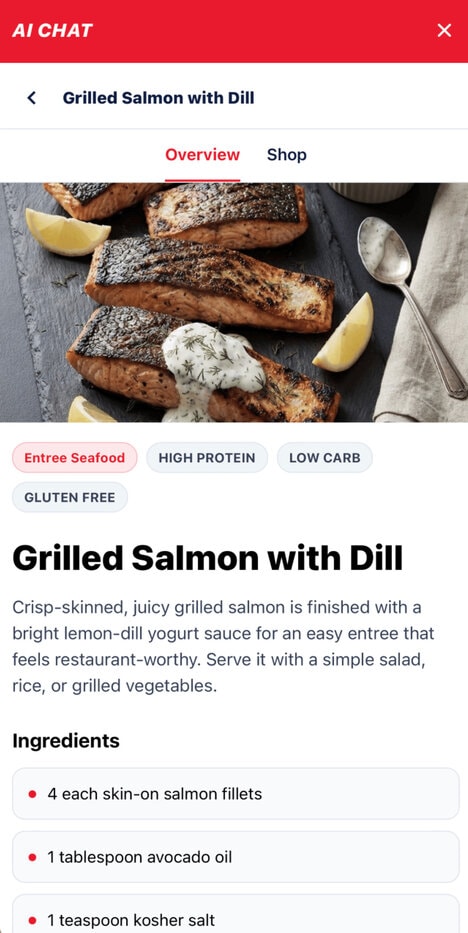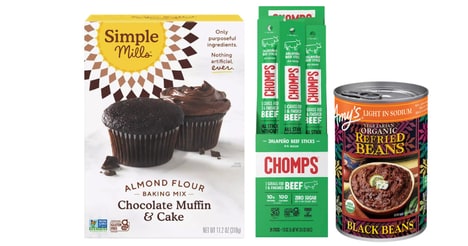
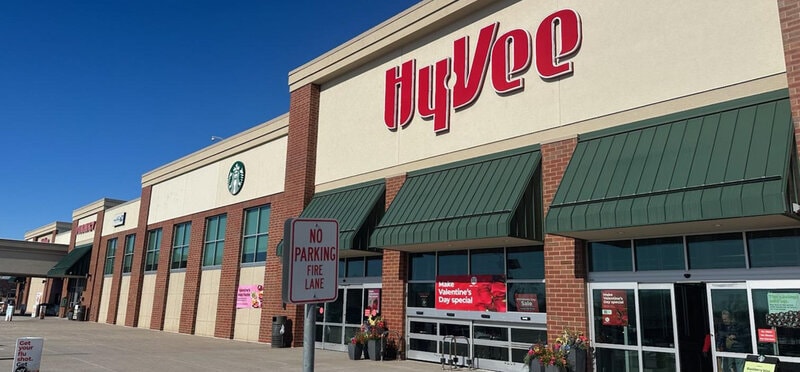
Hy-Vee introduced a structured product data framework to help shoppers find relevant items more reliably across its online shopping platform. The retailer has organized nearly 265,000 products across more than 1,200 attribute types and 5,800 active categories, averaging seven attributes per SKU.
The system supports repeat purchases, substitutions, personalization and digital merchandising by organizing products around how customers typically shop. Predictive functions can anticipate products a shopper may need, while recommendations, complements, variations and impulse features surface relevant alternatives and companion items. Hy-Vee is also using the Prodx Aisles app to personalize experiences, conduct A/B testing and control which products appear in different contexts.
For consumers, the approach can make digital grocery shopping faster and more relevant while supporting increasingly individualized product discovery and substitution experiences.
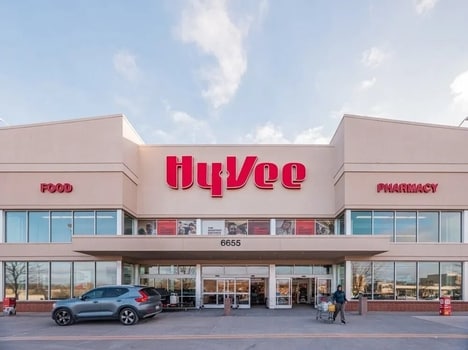
Image Credit: Hy-Vee
Key Themes Behind This Trend
- Attribute-led Search
- Structured product attributes create more accurate filtering, substitutions and repeat-purchase journeys across digital grocery platforms.
- Predictive Grocery Personalization
- Shopper behavior data paired with SKU-level taxonomy enables anticipatory recommendations that make online baskets more relevant and convenient.
- Dynamic Digital Merchandising
- Context-aware product placement and A/B testing allow retailers to tailor discovery, companion items and impulse offers in real time.
Where This Applies
- Online Grocery
- Richer product data frameworks improve shopping speed, relevance and substitution confidence for consumers buying food and household essentials online.
- Retail Technology
- Taxonomy engines, personalization tools and merchandising apps gain value as retailers seek scalable systems for managing complex product catalogs.
- Consumer Packaged Goods
- Standardized attribute visibility gives brands new pathways to appear in recommendations, complements and category-based digital shelf placements.