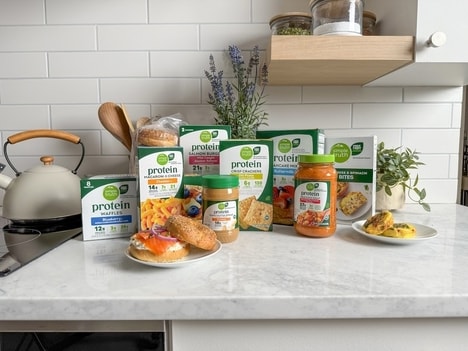

Prepared Foods focuses on USDA rules and how manufacturers responded with protein-focused nutrition products featuring plant and hybrid protein blends. Highlighting reformulations and new menu items designed to meet tighter sodium and added-sugar caps while increasing protein, featuring ingredients like soy, pea, pulses and blended meat formats.
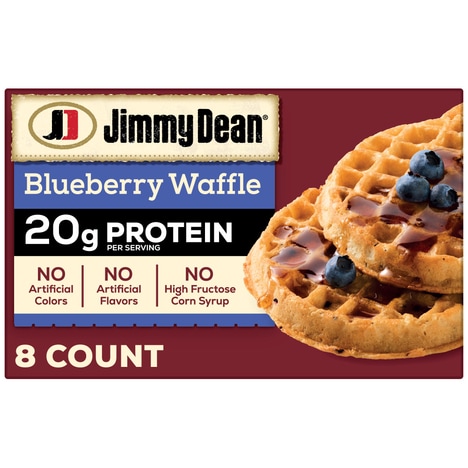
Formulation tactics such as textured pea and soy proteins for blended chicken nuggets, protein-enhanced breakfast items paired with yogurt dips, and reduced-sodium specialty ingredients. Notably, flavor modulation platforms and prebiotic fibers used to restore mouthfeel and sweetness lost during sugar reduction, plus clean-color options drawn from fruits and vegetables for plate appeal.
These product shifts matter because they aim to preserve familiar tastes and textures that drive participation while delivering improved nutrition and cost efficiencies for school programs. For manufacturers and districts, the trend signals a move from compliance to consumer-focused innovation in school food offerings.
Image Credit: Rawpixel.com / Shutterstock
What's Driving This Trend
- Plant-hybrid Protein Blends
- Blended formats combining pea, soy and meat create cost-effective, higher-protein items that retain familiar textures and participation rates in institutional menus.
- Flavor Modulation and Prebiotic Texture Recovery
- Prebiotic fibers and flavor modulation platforms are restoring mouthfeel and perceived sweetness lost during sugar reduction, enabling reduced-sodium and reduced-sugar formulations that still satisfy palates.
- Protein-forward Reformulations for School Menus
- Reformulated breakfast and entrée items are increasing protein while meeting stricter USDA sodium and added-sugar caps, shifting procurement priorities toward nutrient-dense, compliant SKUs.
Who This Affects Most
- School Nutrition Programs
- Districts are presented with menu options that align nutrition policy with student acceptance and budget constraints, influencing bulk purchasing and meal planning strategies.
- Food Manufacturers and Co-packers
- Producers capable of integrating textured plant proteins and flavor systems into scalable production lines are positioned to supply compliant, consumer-friendly institutional products.
- Ingredient Suppliers and Flavor Houses
- Suppliers offering concentrated pea/soy isolates, prebiotic fibers and clean-color botanical concentrates are enabling formulation swaps that preserve taste and appearance while meeting regulatory targets.