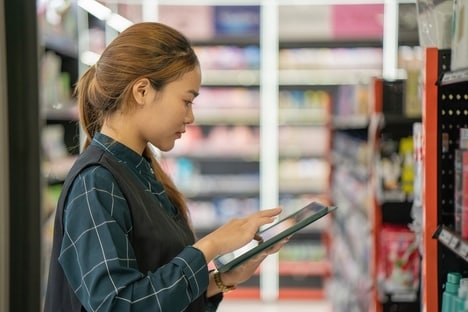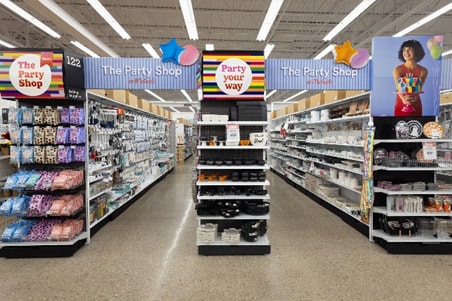

AI grocery ordering is helping retailers manage increasingly complex inventory environments through automated decision-making and predictive analytics. Grocery Outlet has expanded its partnership with Afresh to bring intelligent ordering capabilities across every department in more than 500 independently operated stores. The platform analyzes factors such as product availability, waste reduction, labor demands, and profit margins while adapting to the retailer's constantly changing assortment of products. Unlike traditional inventory systems that rely on fixed product selections and precise stock counts, the technology is designed to operate effectively in dynamic retail environments.
The deployment highlights a growing shift toward data-driven retail operations that reduce manual planning and improve inventory accuracy. By helping stores maintain stock levels while minimizing waste and operational inefficiencies, AI-powered ordering systems can support stronger profitability and better customer experiences. As retailers seek to optimize operations amid rising costs and changing consumer demand, intelligent inventory tools may become a standard component of modern grocery management.
Image Credit: Afresh Technologies
What Makes This Trend Stand Out
- AI-powered Inventory
- Predictive ordering platforms are transforming stock management by balancing availability, waste reduction, labor constraints, and margin performance in real time.
- Dynamic Assortment Optimization
- Retailers with constantly changing product mixes gain new value from systems that can interpret irregular assortments without relying on fixed item lists or perfect stock counts.
- Waste-aware Retail Operations
- Grocery businesses are increasingly using analytics to reduce spoilage while improving profitability, creating space for smarter fresh-food planning models.
Sectors Adopting This
- Grocery Retail
- Independent and chain grocers are becoming more efficient through automated ordering tools that improve shelf availability and reduce manual planning pressure.
- Retail Technology
- Software providers are finding growth in AI systems built for complex store environments where traditional inventory platforms struggle with variability.
- Food Supply Chain
- Suppliers, distributors, and retailers benefit from better demand signals that can reduce excess inventory and improve coordination across perishable product networks.