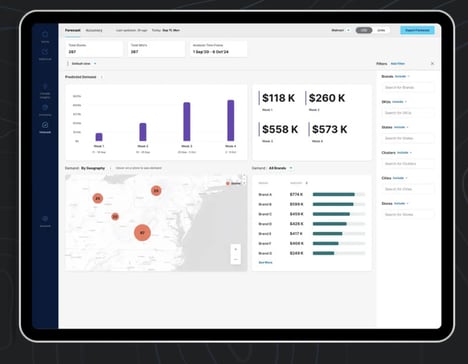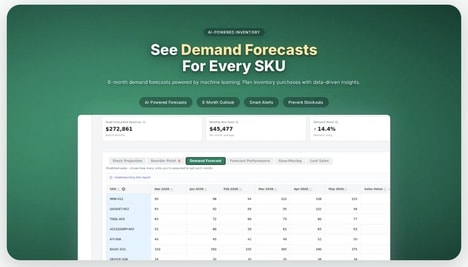
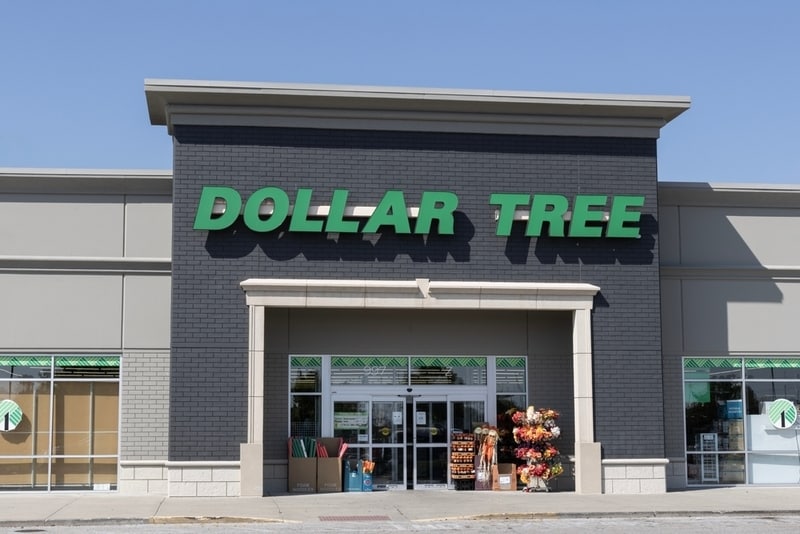
AI-driven retail supply chains are transforming how companies like Dollar Tree manage inventory and distribution. By replacing outdated systems with cloud-based platforms, predictive analytics, and mobile-enabled tools, the retailer is improving visibility across its growing network of stores. These technologies allow teams to better forecast demand, reduce stockouts, and increase throughput within existing distribution centers without significantly expanding physical infrastructure.
This shift has important implications for the retail industry. For Dollar Tree, it supports rapid store expansion while maintaining efficiency and cost control. It also enables more precise inventory planning, helping align supply with demand across different regions. More broadly, it signals a move toward data-driven supply chains where real-time insights guide decision-making. As more retailers adopt similar systems, competition will increasingly depend on operational efficiency, responsiveness, and the ability to scale without adding significant logistical complexity.
Image Credit: Jonathan Weiss / Shutterstock.com
Why This Trend Is Growing
- Cloud-native Inventory Platforms
- Widespread adoption of cloud platforms is enabling centralized, real-time inventory visibility across expanding store networks, creating potential for unified orchestration of stock and distribution without major new physical infrastructure.
- Predictive Demand Analytics
- Advanced forecasting models are driving more accurate demand signals at SKU and regional levels, enabling supply chains to anticipate shifts and reduce costly stockouts and overstocks.
- Mobile-enabled Warehouse Operations
- Mobile tools and edge connectivity are converting manual warehouse tasks into data-rich processes, allowing dynamic throughput improvements within existing distribution centers.
Industries Being Reshaped
- Discount Retail Chains
- High-volume, low-margin stores stand to benefit from AI-driven inventory efficiency that supports rapid expansion while preserving tight cost structures.
- Third-party Logistics Providers
- Logistics firms can leverage predictive analytics and cloud orchestration to offer differentiated fulfillment services that optimize network capacity and responsiveness.
- Retail Software Vendors
- Vendors of supply chain software are positioned to disrupt legacy systems by delivering modular, cloud-native solutions that integrate forecasting, inventory, and mobile execution.