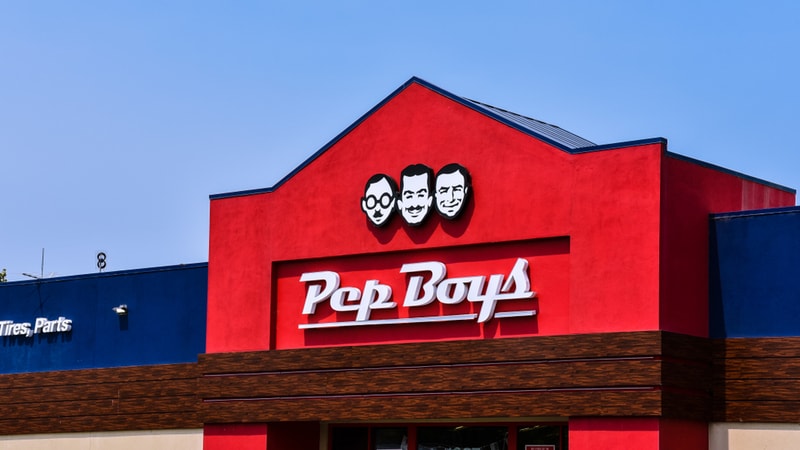
Pep Boys launched an AI-driven forecasting and replenishment platform to modernise inventory planning across its auto repair and tyre retail network. The system uses machine learning to predict demand and automate stock replenishment, featuring integrated sales and supply-chain data to guide ordering and inventory decisions.
The rollout connected the platform with Pep Boys’ existing POS and distribution systems, enabling more granular planning by SKU and location. The deployment focused on parts and tyre assortments where demand variability can often lead to stockouts or excess inventory, while also improving inventory visibility and distribution centre prioritisation.
For consumers, the upgrade is designed to reduce out-of-stock situations and accelerate repair service by keeping critical parts available when needed. As retailers continue adopting predictive operations, Pep Boys’ rollout reflects a broader shift toward AI-enabled end-to-end supply-chain management in specialty retail.
Image Credit: Shutterstock/jejim
What Makes This Trend Stand Out
- AI-driven Replenishment
- The use of machine learning to forecast demand and automate stock ordering reveals opportunities for platforms that autonomously balance inventory across multi-location retail networks.
- Sku-level Predictive Inventory
- Granular per-SKU and per-location demand prediction highlights potential for micro-fulfillment models and dynamic assortments that reduce both stockouts and overstocks.
- Integrated Pos-supply-chain Platforms
- Tight integration of point-of-sale data with distribution systems points to new orchestration layers that synchronize front-line sales signals with upstream replenishment and prioritization.
Sectors Adopting This
- Automotive Aftermarket Retail
- High variability in parts and tyre demand creates space for predictive-service capabilities that keep critical repair components available and shorten vehicle downtime.
- Distribution Centers and Logistics
- Distribution hubs that incorporate AI-driven prioritization could shift toward intelligent sorting and allocation models optimized for real-time retail demand patterns.
- Specialty Retail Technology
- Vendors building end-to-end supply-chain software can capitalize on opportunities to embed forecasting intelligence directly into POS and order-management systems.