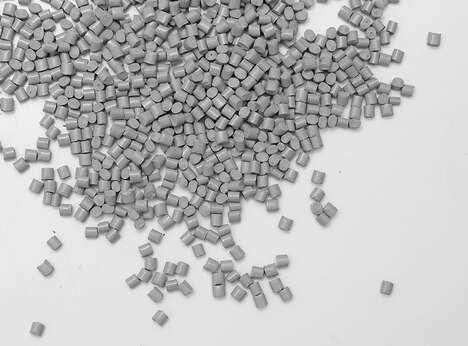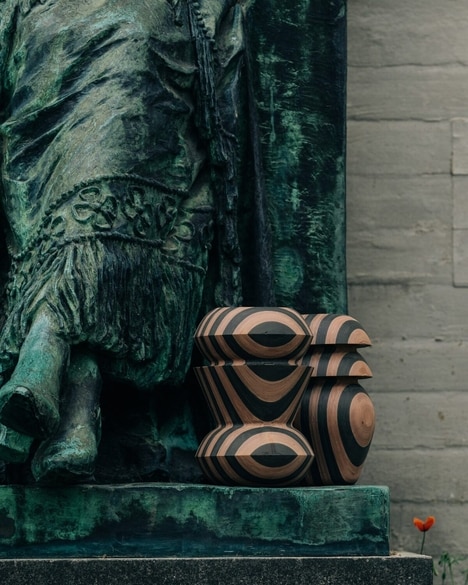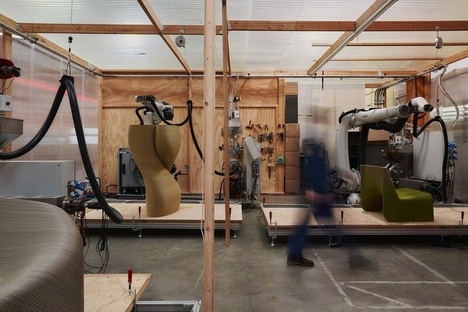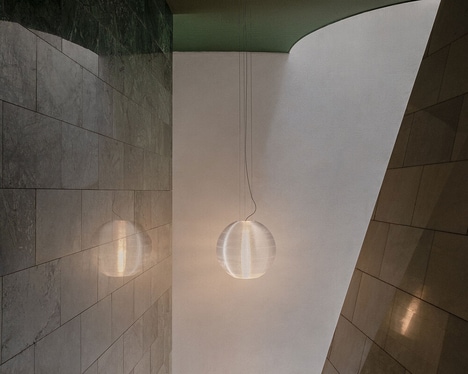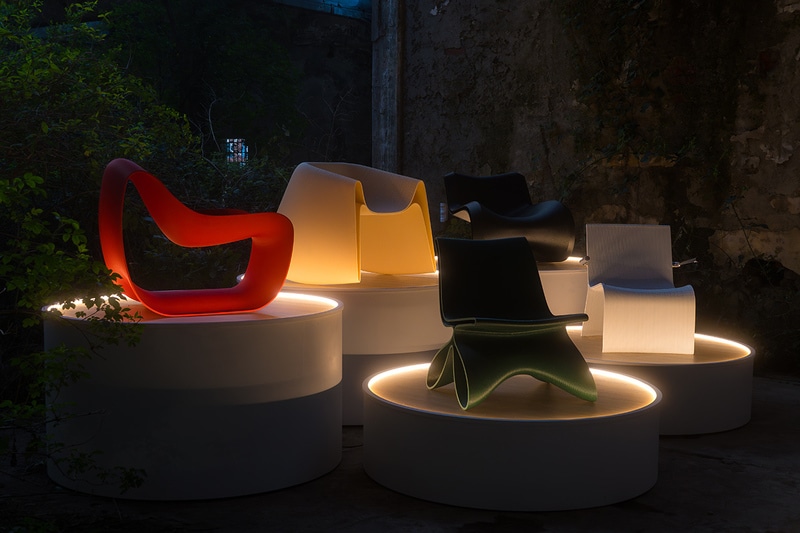
PORTAL by Decibel prints furniture live to demonstrate circular design with in‑situ fabrication. Hosted by the brand in Milan’s former SNIA factory, the installation features a colossal 15‑foot industrial robotic arm that 3D‑prints chairs layer by layer, using recycled materials. Each day concludes with a freshly printed chair, highlighting the process of creation unfolding amidst natural decay and sunlight filtered through broken walls.
The pieces are crafted by designers like Karim Rashid, Charles Birshaw, and Noknok. Portal explores material lifecycle and circularity, placing production directly within the exhibition space. The use of recycled plastic and live printing encourages viewers to consider infrastructure, scalability, and the future of sustainable manufacturing. As Decibel co-founder Adam Hecht states, the project seeks to break barriers between concept and creation, fostering a collaborative ecosystem for designers, recyclers, manufacturers, and consumers
Image Credit: Decibel
What Makes This Trend Stand Out
- In-situ Creation
- The shift towards in-situ creation offers a unique approach that removes traditional boundaries between design and production, fostering immediate consumer engagement and reducing logistics costs.
- Circular Manufacturing
- Circular manufacturing utilizes recycled materials in real-time production processes, reducing waste and promoting sustainability in the design industry.
- Robotic 3D Printing
- The implementation of robotic 3D printing in furniture manufacturing enables innovative design possibilities while minimizing labor costs and enhancing precision.
Sectors Adopting This
- Eco-friendly Furniture
- The eco-friendly furniture industry can benefit from adopting circular design principles that leverage recycled materials and sustainable production methods.
- Additive Manufacturing
- Additive manufacturing represents a disruptive force in traditional production models by enabling customizable, on-demand creation using advanced 3D printing technologies.
- Sustainable Design
- Sustainable design emerges as a critical industry segment where designer and consumer collaboration can redefine product life cycles and environmental impact.