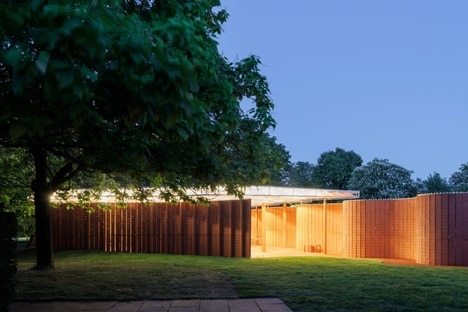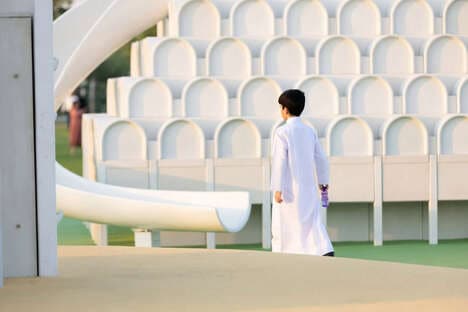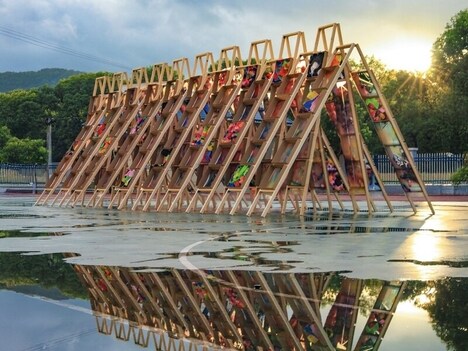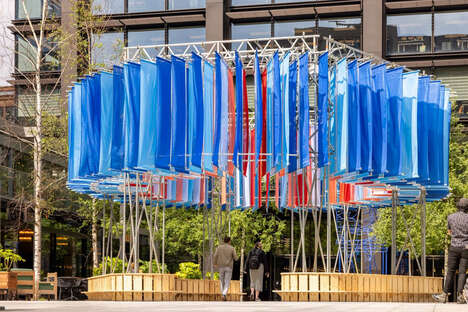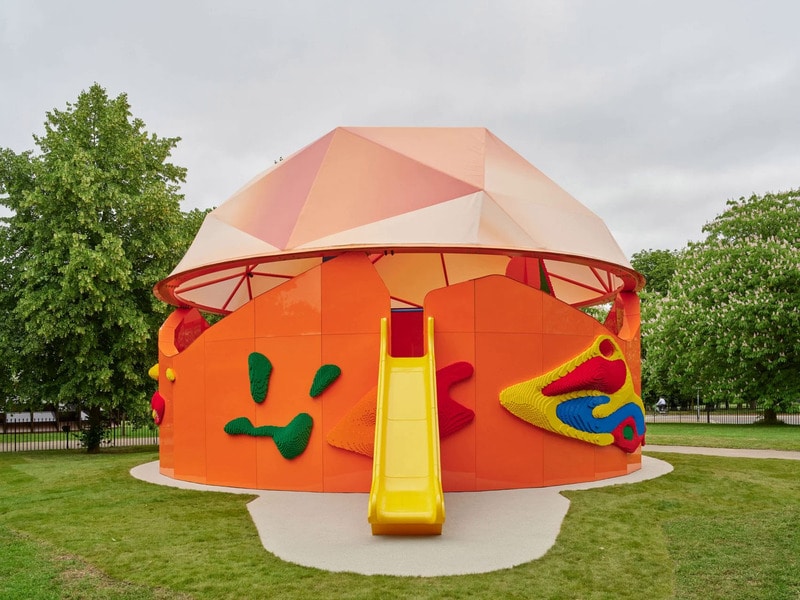
British architect Peter Cook works with LEGO to create the Play Pavilion with a domed structure for children at the Serpentine Gallery in London. Cook speaks more about the design concept, noting "[The concept was] to express joy, playfulness, cheerfulness, exuberance, and a little bit of irreverence. To use much brighter and purer colours than in a regular building. To make the enclosure free and 'wavy' and liable to burst out into strange shapes."
The design is meant to be a space for families, teens, and children and is defined by its colorful accents made from LEGO bricks. It was also presented in time with LEGO's World Play Day. It is up until August and features a single domed structure, which encourages play and exploration.
Image Credit: Serpentine
Key Themes Behind This Trend
- Interactive Architectural Designs
- Architectural designs that incorporate interactive elements, such as LEGO bricks, offer dynamic experiences that engage users in unique spatial interactions.
- Playful Structures for Public Spaces
- Creating structures with playful and whimsical designs in public spaces can transform urban environments into more inviting and engaging community areas.
- Colorful Building Materials
- The use of vibrant and unconventional building materials like LEGO bricks reimagines aesthetic possibilities and inspires creativity in architectural design.
Where This Applies
- Architecture and Design
- Innovative applications of playful and interactive design elements in architecture can redefine user engagement and space utilization.
- Toys and Educational Products
- Collaborations between toy manufacturers like LEGO and architects can result in new markets for educational and creative products that blur industry lines.
- Public Event Planning
- Integrating participatory and visually striking structures in public events can enhance attendee experiences and increase community interaction.