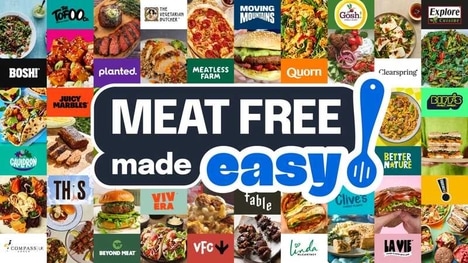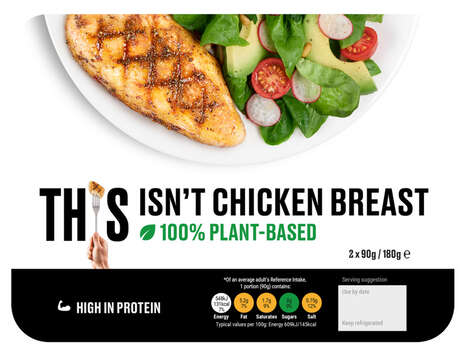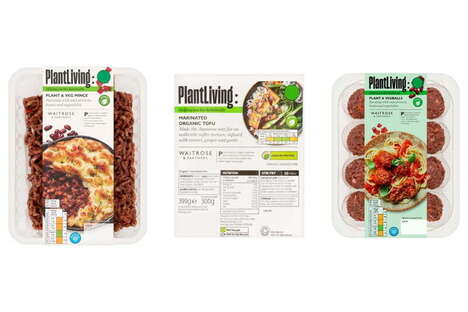


In an effort to help curb meat consumptions, UK-based supermarket Tesco is launching new plant-based alternatives to place beside every single meat product featured. Through strategic pricing, promotion, and placement decisions, the brand believes the initiative will encourage consumers to opt for plant-based alternatives.
A Tesco spokesperson commented on the news, stating: “Many of our customers are moving towards flexitarian diets for both health and environmental reasons, which is why we’ve committed to increasing the amount of plant-based meat alternatives we sell by 300% by 2025.”
The motivation behind Tesco's push for plant-based consumption revolves around climate change and making sustainable choices, especially since the environmental impact of food production and consumption is having devasting consequences worldwide.
Image Credit: Live Kindly, Tesco
Why This Trend Is Growing
- Flexitarianism
- Tesco's initiative to provide plant-based alternatives beside every meat product reflects the trend towards flexitarianism and opens opportunities for innovative plant-based products.
- Strategic Pricing
- Tesco's strategic pricing decisions to make plant-based options more enticing could lead to similar innovative approaches in the food retail industry to promote healthier and sustainable choices.
- Sustainable Consumption
- The global concern for the environment is driving the trend towards sustainable consumption practices, which can be seen in Tesco's commitment to increase plant-based meat alternatives by 300%, presenting opportunities for other industries to follow suit.
Industries Being Reshaped
- Food Retail
- Tesco's initiative presents opportunities for innovative products and marketing strategies that shift toward a more sustainable and plant-based food retail industry.
- Plant-based Protein
- The growing market for plant-based protein products presents opportunities for innovative new products that can align with the consumer trend towards flexitarianism.
- Environmental Sustainability
- Tesco's commitment to increasing plant-based meat options by 300% by 2025 highlights the importance of environmental sustainability, providing opportunities for innovative products, services, and practices across various industries.