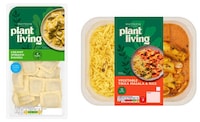
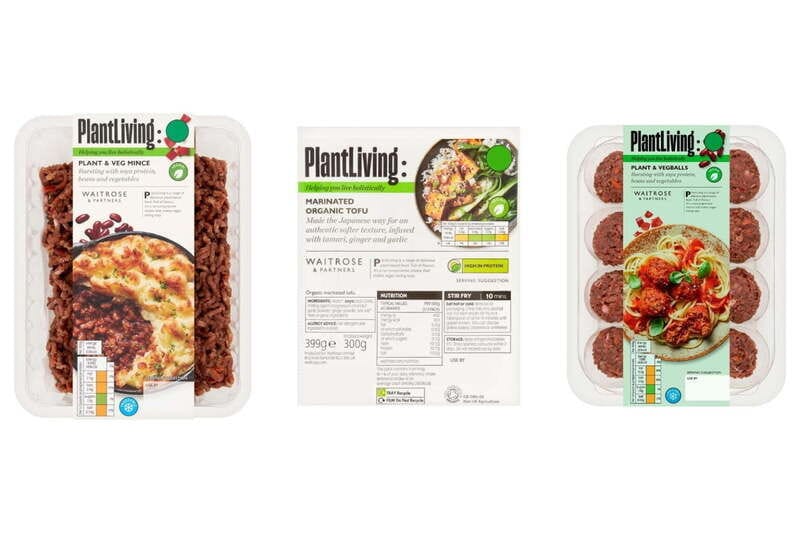
The Waitrose PlantLiving products are a series of private label food items for consumers to incorporate into their cooking regime as a way to prioritize a flexitarian lifestyle. The product range includes 12 new options in all that each have ample vegetables, beans and pulses in the mix with a reduced amount of soy protein. This provides consumers with an alternative option to conventional plant-based meat products on the market in response to the continued shift towards meat-free meals with more nutritional value.
Vegan Product Developer Simon Cohen-Vida-Welsh spoke on the Waitrose PlantLiving products saying, "With customers prioritising whole foods, we have incorporated more vegetables into our plant-based proteins. Our new PlantLiving: Plant & Veg Mince and PlantLiving: Plant & Vegballs are both made from vegetables and pulses and are extremely versatile – allowing customers to make easy and delicious plant-based meals everyday.”
Why This Trend Is Growing
- Plant-based Protein Expansion
- Discovering innovative ways to incorporate more vegetables and pulses into plant-based proteins can set new standards in the flexitarian food market.
- Alternative Meat Substitutes
- Developing plant-based meat alternatives with reduced soy protein content can cater to consumers seeking healthier and more diverse flexitarian options.
- Whole Food Prioritization
- Emphasizing whole foods in plant-based products can drive a shift towards healthier and nutritionally rich flexitarian meal choices.
Industries Being Reshaped
- Food Technology
- The food technology industry can explore innovative methods to enhance the nutritional profiles of plant-based products for flexitarian consumers.
- Private Label Brands
- Private label brands have an opportunity to capitalize on the growing demand for flexitarian foods by offering unique and vegetable-focused product ranges.
- Vegan Product Development
- Vegan product development companies can innovate with vegetable and pulse-based ingredients to create versatile and nutritious plant-based alternatives in response to evolving consumer preferences.