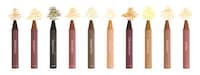
Japanese graphic designer Naoko Kimura has invented toxin-free plant-based crayons made from vegetables. The line of plant-based crayons led to the creation of mizuiro.inc, where Naoka Kimura launched her zero-waste crayons.
Kimura took a 'children first' approach to develop her natural crayons and ensure safe play for the young artists. The crayons are made with all-natural ingredients and are safe for potential ingestion. They are made of solid rice bran wax and liquid rice bran oil, which are both by-products of the rice polishing process. Crushed fruit and vegetable powder and certified food coloring are added to the rice mixture to give the crayons their colors.
The crayons come in a box of 10 different shades, each of which is given a fun name after the fruit or vegetable that helped produce it.
Image Credit: Designboom
Key Themes Behind This Trend
- Toxin-free Crayons
- Developing toxin-free crayons from natural ingredients, such as vegetables, to ensure safe play for children is a potential area of disruptive innovation.
- Zero-waste Products
- Creating zero-waste products, such as plant-based crayons made from by-products of the rice polishing process, is a potential area of disruptive innovation.
- Natural Food Coloring
- Using natural food coloring from crushed fruit and vegetable powder to color crayons is a potential area of disruptive innovation in creating safer art supplies for children.
Where This Applies
- Toy Industry
- The toy industry could potentially improve their product offerings by producing safer and eco-friendly art supplies for children.
- Food Industry
- The food industry could potentially innovate in producing natural food coloring to be used in safer and more sustainable art supplies for children.
- Beauty and Personal Care Industry
- The beauty and personal care industry could potentially expand their product offerings to include natural and safe art supplies for children, utilizing their knowledge of natural ingredients and formulations.