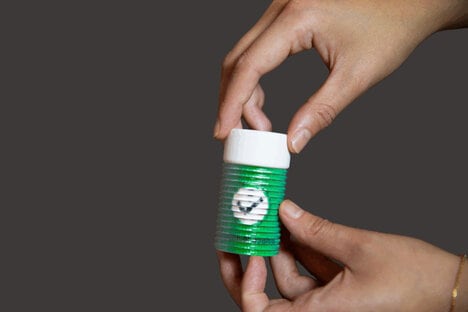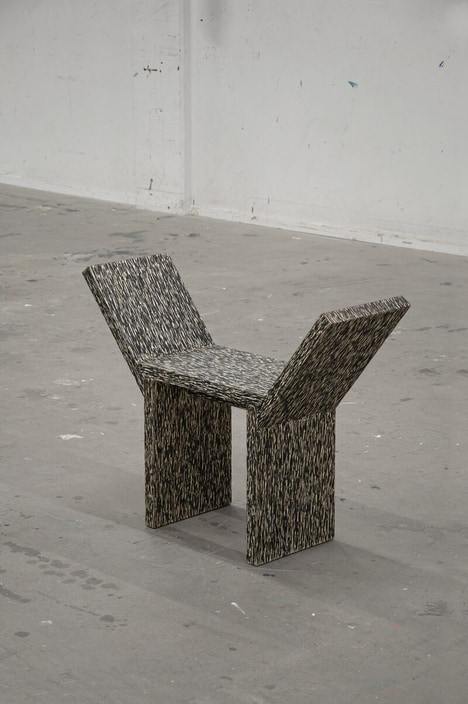
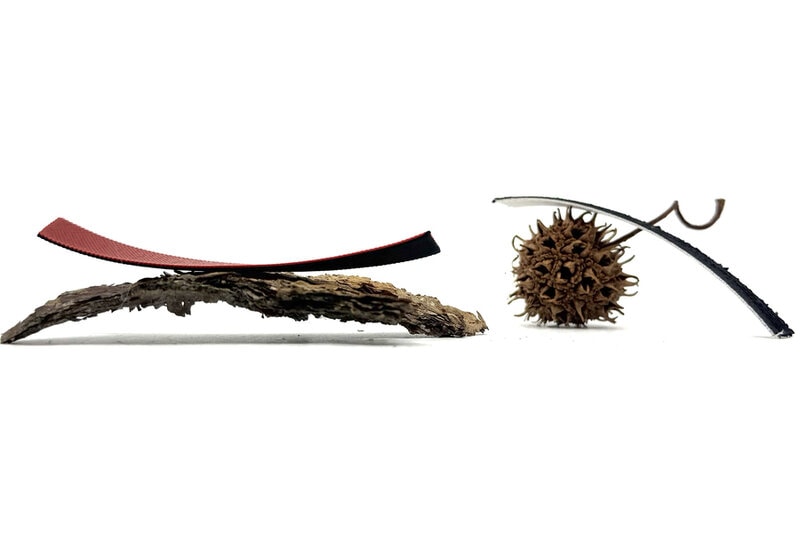
MIT researchers have developed a framework for creating bio-derived adaptive materials that translate natural behaviors into engineered, 3D-printable structures. Inspired by mechanisms such as pine cones opening and closing in response to humidity, the system maps interactions across biological scales and assigns them to synthetic counterparts. Using category theory, researchers can mathematically validate each component before generating manufacturing specifications and executable 3D-printing instructions.
The approach could reduce the time, computation, and expense associated with developing responsive materials by allowing engineers to reuse verified building blocks rather than starting from scratch. Potential applications include moisture-responsive building materials, soft robotic grippers, biomedical devices, wearables, and aircraft structures that change shape according to environmental conditions. As the framework incorporates AI, it could also accelerate materials discovery and give manufacturers a more systematic route from biological concepts to testable physical products.
Image Credit: MIT
What's Driving This Trend
- Bio-inspired 3D Printing
- Natural response mechanisms translated into printable structures create new pathways for adaptive products that react to humidity, pressure, and temperature without complex electronics.
- Verified Materials Design
- Mathematically validated building blocks reduce uncertainty in responsive material development, enabling faster prototyping of complex systems across physical and digital workflows.
- AI-assisted Materials Discovery
- Computational frameworks paired with artificial intelligence expand the potential for discovering reusable material architectures derived from biological behaviors.
Who This Affects Most
- Construction Materials
- Moisture-responsive surfaces and structural components introduce possibilities for buildings that passively regulate ventilation, insulation, and environmental performance.
- Soft Robotics
- Adaptive grippers and flexible mechanisms based on biological motion patterns support more efficient interaction with delicate, irregular, or changing objects.
- Biomedical Devices
- Shape-changing, bio-derived materials open space for implants, wearables, and medical tools that adjust to bodily conditions with greater precision.