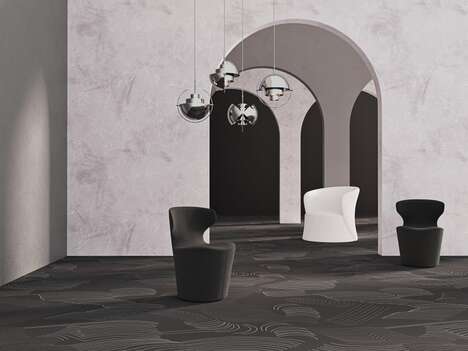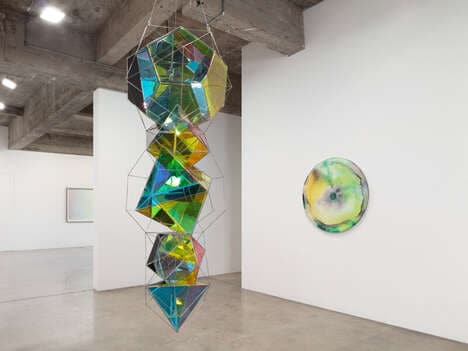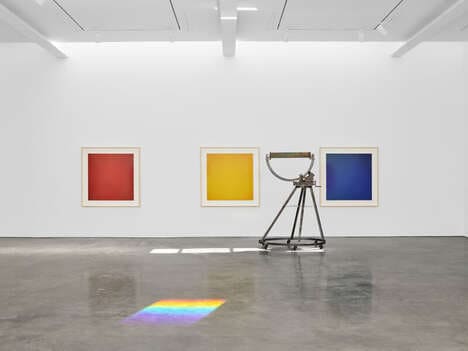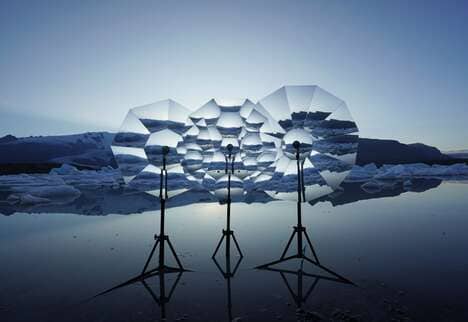


A stunning optical art museum has just opened its doors in Zagreb, Croatia and is home to a sensory experience that will leave a lasting impression on its visitors. In addition to educating visitors about the history of Op Art, this institution also plays with one's perception and features visually intriguing elements like upside-down rooms that appear to be floating freely.
Challenging one's mind, Zagreb's museum of illusion is not only cleverly designed but is also experiential and even features a shop that offers souvenirs, 3D lighting products as well as a unique toy range.
Appealing to the senses, this intriguing optical art museum is a must-see for tourists with an appreciation for art and is a spot that will appeal to all ages.
Key Themes Behind This Trend
- Optical Art Museums
- The rise of optical art museums around the world offers opportunities for the development of new sensory experiences and merchandise sales.
- Experiential Education
- The incorporation of interactive and educational elements into museums offers the potential for new and unique learning experiences.
- Visual Illusion Technology
- Advancements in visual illusion technology and 3D lighting products offer opportunities for innovative and interactive museum exhibitions.
Where This Applies
- Tourism
- Optical art museums like the one in Zagreb, Croatia, provide an opportunity for the tourism industry to attract travelers seeking unique and interactive cultural experiences.
- Retail and Merchandise
- The museum of illusions' souvenir shop and distinct toy range offer opportunities for retail businesses looking to capitalize on the popularity of optical art museums.
- Art and Design
- The incorporation of optical art and visual illusion elements into traditional art and design fields offer opportunities for innovation and new forms of creative expression.