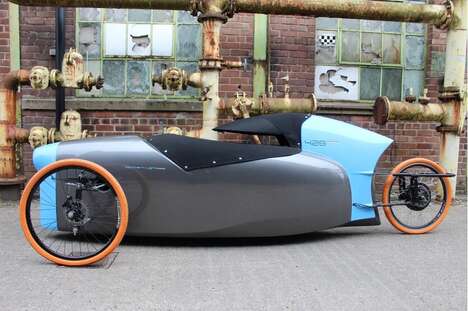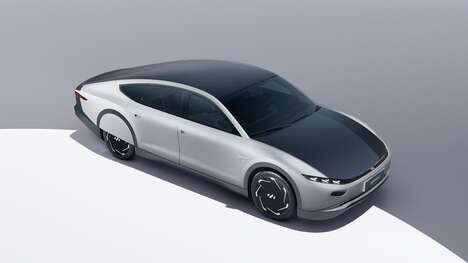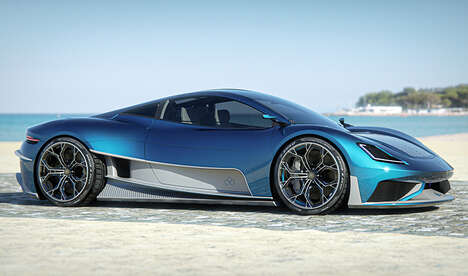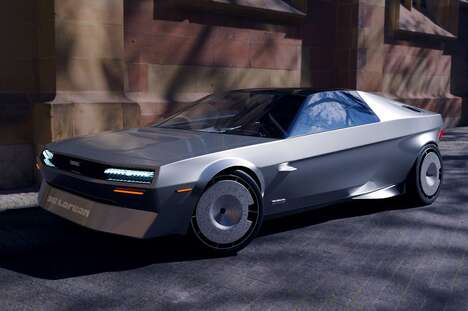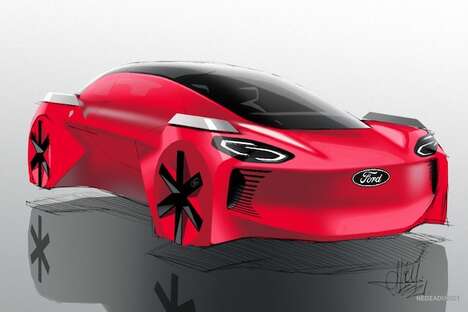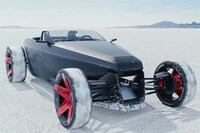

Scott Gilbert's O-Lec Electric Vehicle is a futuristic car designed for the year 2030. The O-Lec Electric Vehicle is an alternative to standard fuel- or battery-powered cars, as its power source comes from the road using inductive power transfer.
Scott Gilbert imagines that by the year 2030, vehicles would be able to take energy directly from the surface on which they are driving. The two-seat O-Lec would be the best mode of transport in urban areas.
What's Driving This Trend
- Road Energy Transfer
- More innovative designs can be made using energy sources from the road surface instead of traditional fuels.
- Friction-powered Vehicles
- Vehicles that use friction to power them represent an alternative to traditional battery or fuel-powered engines.
- Futuristic Transportation
- Quality visionary designs for vehicles that are centered on innovative energy sources that minimize negative environmental effects are needed.
Who This Affects Most
- Automotive
- The automotive industry can invest in the development of cars that use energy from road surfaces as a power source for a cheaper maintenance expenses.
- Renewable Energy
- The potential for using road surfaces as a source of energy extends to the renewable energy sector for various other applications.
- Public Transportation
- The drive toward alternatives to traditional engines presents opportunities for new forms of public transportation in urban areas.