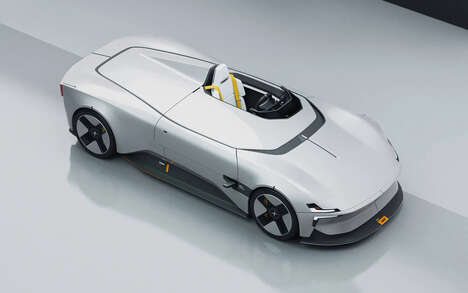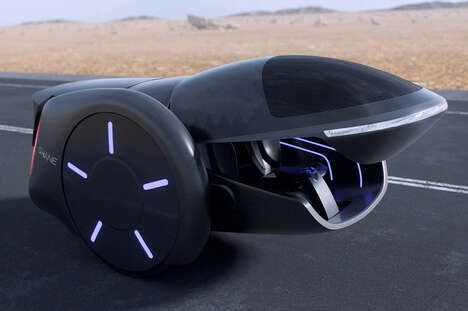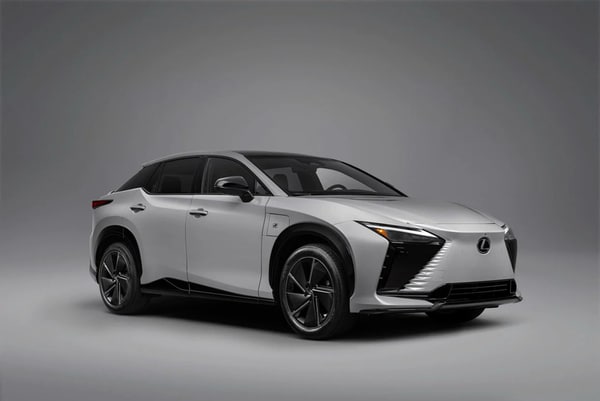
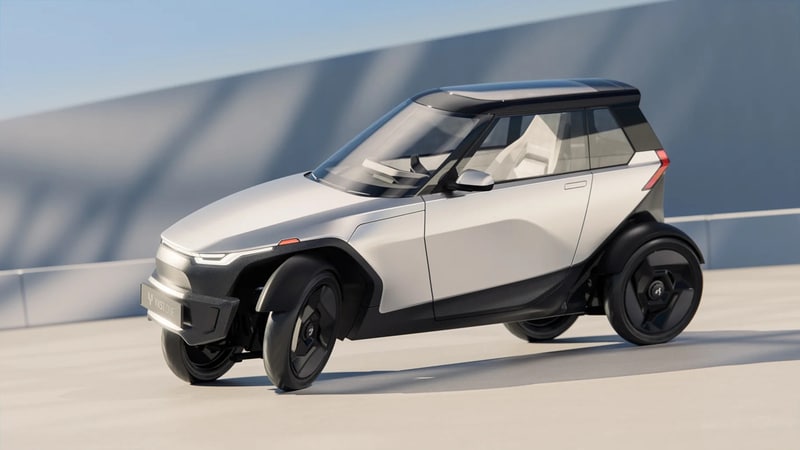
The conceptual YKSI electric vehicle has been designed by the Dutch company as a rendering of what we could see in the near-future when it comes to personal transportation. The vehicle is characterized by its chic, sleek and futuristic form that weighs in at around 600-kilograms to make it decidedly lighter than alternative electric vehicles currently on the market. The vehicle only features a single seat on the interior, which speaks to the transportation requirements of urbanites and professionals alike who often find themselves commuting solo.
The conceptual YKSI electric vehicle isn't imagined as a high-speed cruising option, but is imagined with a top speed of 100mph and a 218-mile range to make it great for shorter commutes on urban and suburban routes.
Image Credit: YKSI
Key Themes Behind This Trend
- Urban Solo Commuting
- Increased focus on single-seater vehicles reflects the growing demand for personalized, efficient urban commuting solutions.
- Lightweight EV Design
- The emphasis on reducing vehicle weight presents an opportunity for innovations in materials and engineering to enhance electric vehicle efficiency.
- Compact Electric Mobility
- Single-seater electric vehicles are paving the way for more compact, space-efficient transportation options in urban environments.
Where This Applies
- Electric Vehicle Manufacturing
- The rise of single-seater electric vehicles is pushing manufacturers to develop more agile and efficient production methods for specialized vehicles.
- Urban Transportation Solutions
- A growing interest in single-seater electric vehicles is changing the landscape of urban transit by promoting cleaner, more individualized travel alternatives.
- Sustainable Automotive Technology
- Focus on ultra-efficient, single-occupant vehicles highlights a shift towards sustainability in automotive design, emphasizing minimal environmental impact.