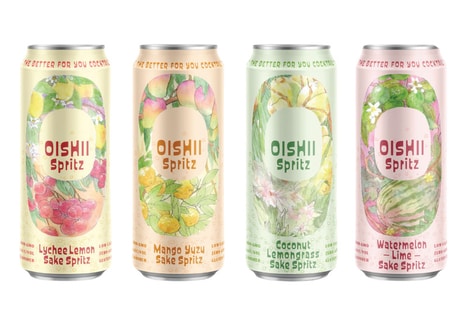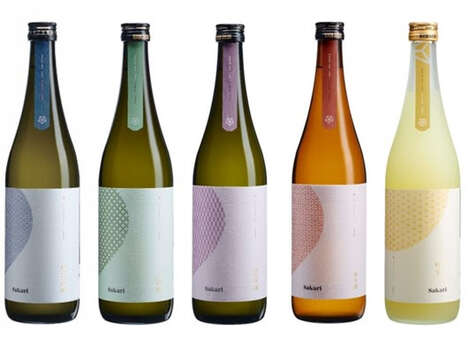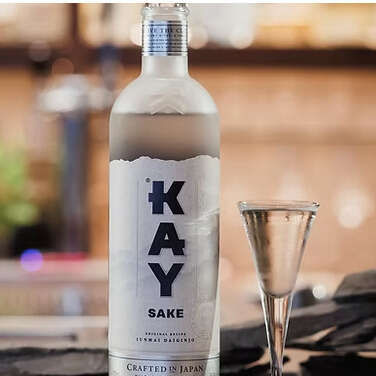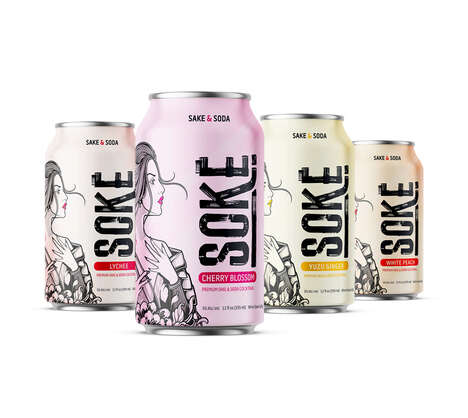
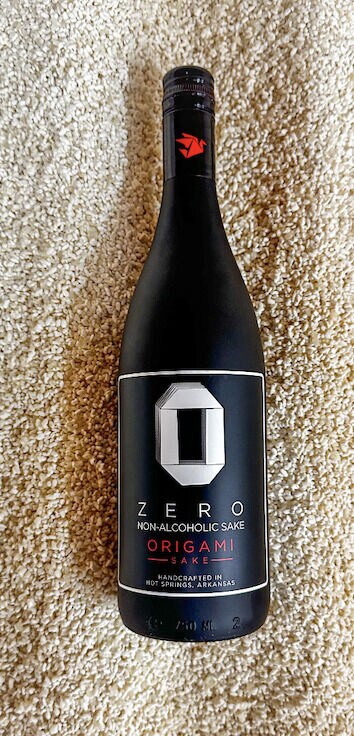
Origami Sake has introduced ZERO, a non-alcoholic sake that is sure to appeal to health-conscious consumers. This product is crafted without alcohol-producing yeast, offering the same rich, smooth qualities of traditional sake without the alcohol content. ZERO is designed to appeal to the growing demand for alcohol-free beverages, as well as the rising popularity of sake in the U.S.
The non-alcoholic sake is positioned as a sophisticated alternative and a unique option in the non-alcoholic market. Its complex flavor profile shares notes of apple, chestnuts, and refreshing acidity. Additionally, the product’s use of local Arkansas ingredients, including rice from the state's abundant rice fields, adds a layer of regional pride and craftsmanship that may attract consumers interested in locally sourced and sustainable products.
Image Credit: Origami Sake
Key Themes Behind This Trend
- Rise of Alcohol-free Beverages
- The increasing demand for alcohol-free options opens the door for brands to innovate with traditional beverages, reimagining them for modern, health-conscious consumers.
- Flavor-forward Non-alcoholic Alternatives
- The focus on complex flavor profiles in non-alcoholic products highlights opportunities for brands to attract discerning palates seeking depth and complexity without the effects of alcohol.
- Local Ingredient Sourcing
- Leveraging locally sourced ingredients allows brands to emphasize sustainability and regional pride, catering to consumers who value transparency and support for local agriculture.
Where This Applies
- Beverage Industry
- The beverage industry is undergoing a transformation as alcohol-free products gain traction, challenging traditional brands to keep pace with changing consumer preferences.
- Health and Wellness Sector
- The health and wellness sector benefits from the growing trend of non-alcoholic beverages, reflecting a shift towards lifestyle products that promote well-being without compromising taste.
- Agricultural Production
- Agricultural production industries can capitalize on the trend of local ingredient sourcing, fostering innovation in crop selection and cultivation techniques to meet specialized market demands.