Located in Philippine capital city of Manila, the upcoming 'Museum of Indigenous Knowledge' is inspired by the ancient Neolithic period of history.
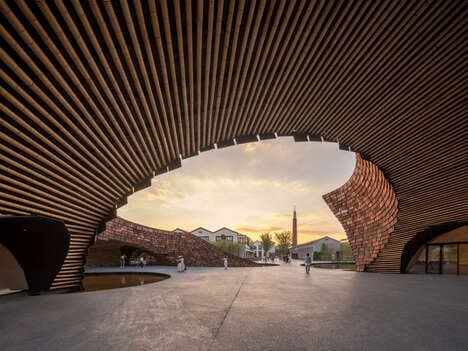
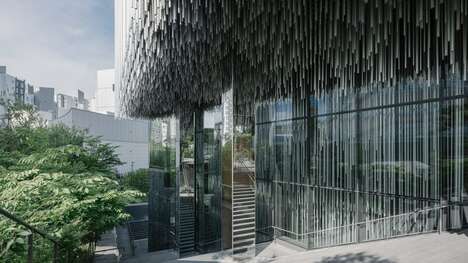
Designed by Japanese design firm Kengo Kuma & Associates, the proposed 29,500 square foot history museum will feature a cave-shaped and organic exterior inspired by the the Philippine's cultural heritage, beginning during the ancient Neolithic period. The structure will resemble a hollowed-out rock that opens up to the sky, and will also have both ponds and waterfalls alongside lattices of organic growth.
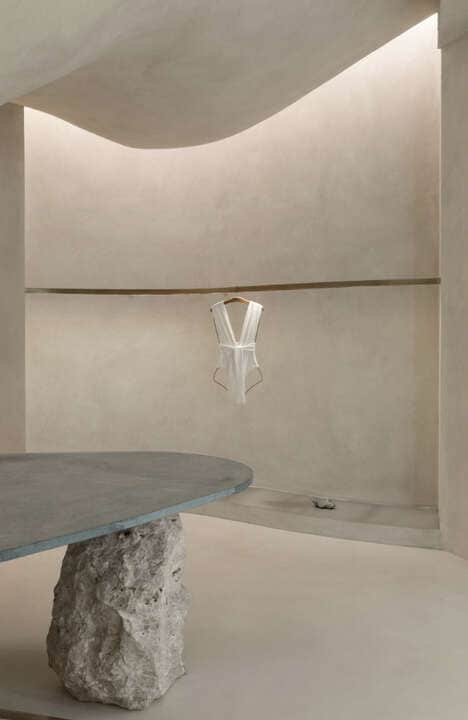
The choice of making the exterior cave-shaped and organic was to help create a natural experience in an urban environment. Inside the museum, visitors will be treated to a more conventional modern interior, and be able to examine cultural exhibits, eat at an in-house restaurant or spend some time at the museum's gift shop.
Why This Trend Is Growing
- Organic Architecture
- Designing buildings using natural elements to create a natural experience in an urban setting.
- Cultural Heritage Preservation
- Preserving traditional cultures and historical narratives through the design and content of museums.
- Experiential Museums
- Creating a more immersive and interactive experience for museum visitors through the use of unconventional and creative designs.
Industries Being Reshaped
- Architecture and Design
- Opportunities to create innovative and unconventional designs that combine traditional cultural elements and modern materials.
- Heritage and Tourism
- Opportunities to attract visitors by creating unique and culturally immersive experiences through the development of innovative museums.
- Retail and Hospitality
- Opportunities to create a profitable ancillary business by offering themed food, drink, and retail experiences at unique museum attractions.