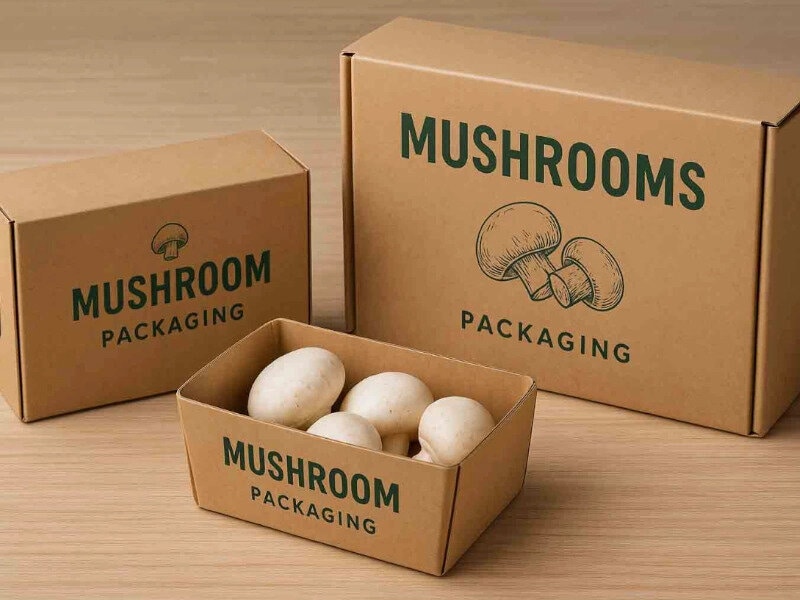
Dell has introduced protective packaging made from mushroom roots and farm waste instead of plastic foam. This kind of material could also inspire packaging companies like Elite Custom Boxes to explore safer and more sustainable protective solutions. The packaging uses mycelium, the root-like part of a mushroom, which grows around agricultural waste inside a shaped mold.
Once dried, it becomes firm enough to cushion large and sensitive products, including computer servers, during shipping. Unlike traditional foam, the material can break down naturally after use and may also be composted. Dell proves you can swap plastic packaging for natural materials without risking damaged items during shipping.
As businesses face growing pressure to reduce packaging waste, materials like mycelium offer a way to rethink sustainability beyond simply using less plastic. For packaging companies, the opportunity lies in developing biodegradable alternatives that can meet the same protective demands as conventional materials while giving brands a more tangible way to reduce their environmental impact.
Key Themes Behind This Trend
- Mycelium Packaging
- Mushroom-root materials are emerging as viable replacements for plastic foam in protective shipping applications, creating room for durable biodegradable formats that support circular waste systems.
- Compostable Cushioning
- Protective packaging that can naturally break down after use gives brands a clearer sustainability advantage while maintaining performance for fragile and high-value products.
- Agricultural Waste Materials
- Farm byproducts are becoming inputs for advanced packaging materials, linking waste reduction with scalable alternatives to petroleum-based protective foams.
Where This Applies
- Sustainable Packaging
- The shift toward bio-based protective materials expands the market for packaging suppliers that can match conventional foam durability while reducing landfill impact.
- Consumer Electronics
- Technology manufacturers benefit from packaging systems that protect sensitive hardware during transit while strengthening environmental credibility across supply chains.
- Logistics and Shipping
- Biodegradable cushioning introduces new possibilities for lower-waste fulfillment models as e-commerce and enterprise shipping volumes continue to rise.