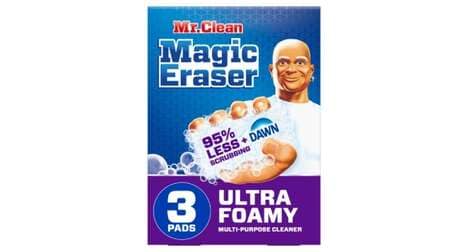
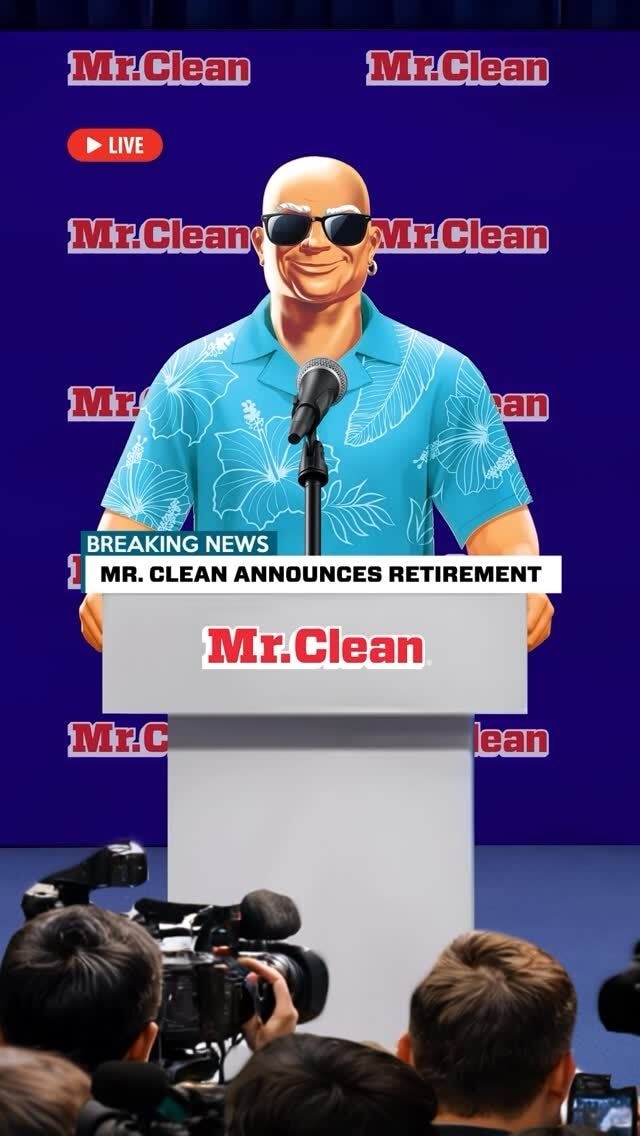
As part of a "press conference" on Instagram, Mr. Clean, the mascot for the Procter & Gamble-owned brand, officially announced his retirement. Mr. Clean himself closed this chapter in a pair of sunglasses and a Hawaiian shirt, promising that his future will be full of new adventures, and customers can rest assured that no changes are coming to the trusted cleaning product lineup, its packaging or branding.
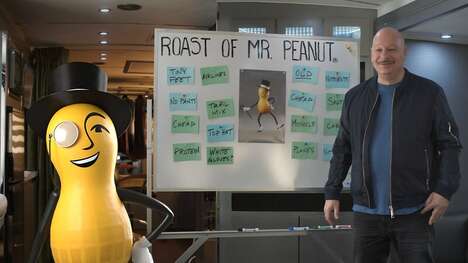
Whether they retire—or dramatically kill off—their iconic mascots, brands generate a wave of headlines, nostalgia and fan outcry that few campaigns can easily replicate. While some brand mascots do eventually make a comeback, others silently disappear, proving that a well-timed farewell is less of an ending and more of a masterclass in keeping a brand culturally relevant.
What's Driving This Trend
- Mascot Retirement Marketing
- A surge in public interest around mascot departures creates premium moments for brands to repackage heritage narratives into high-value experiences and content.
- Nostalgia-driven Brand Revivals
- Resurfacing retro characters and callbacks generates renewed emotional engagement that can shift consumer preference back toward legacy products.
- Social Media Farewell Stunts
- Platform-native sendoffs and staged retirements concentrate earned media and influencer amplification into short, highly measurable attention spikes.
Who This Affects Most
- Consumer Packaged Goods
- Long-established product lines can leverage mascot lifecycle events to refresh packaging, limited editions, and storytelling that alter shelf differentiation.
- Advertising and PR Agencies
- Agencies that design culturally timed retirements and comeback arcs can reconfigure earned-and-owned media mixes to drive disproportionate brand salience.
- Licensed Merchandise and Collectibles
- Collectors’ markets and licensed goods experience valuation inflections when iconic mascots exit stage, creating secondary economies around scarcity and provenance.