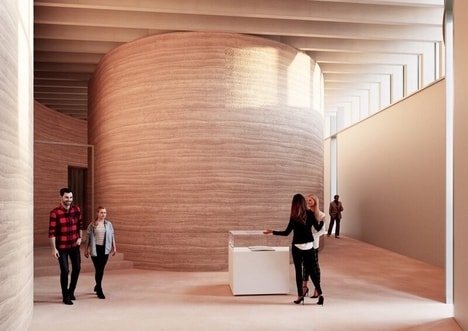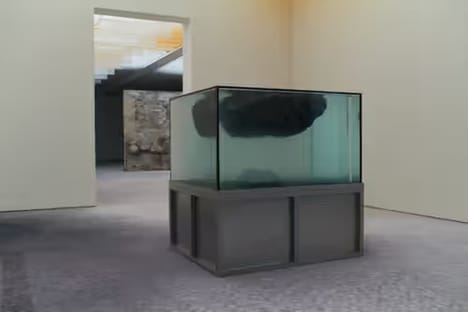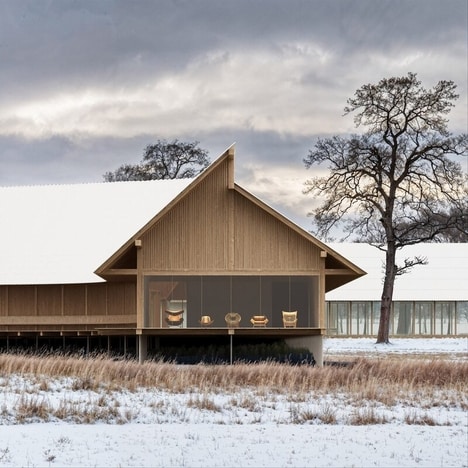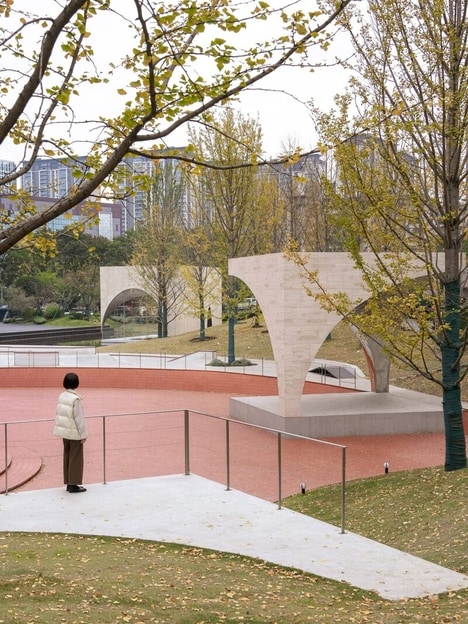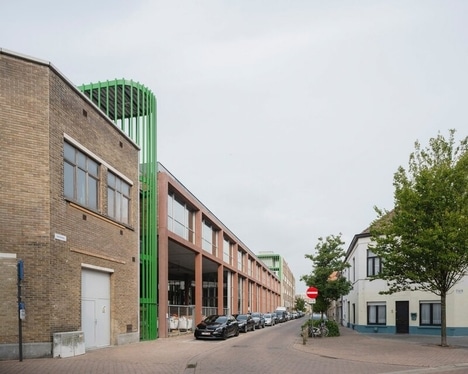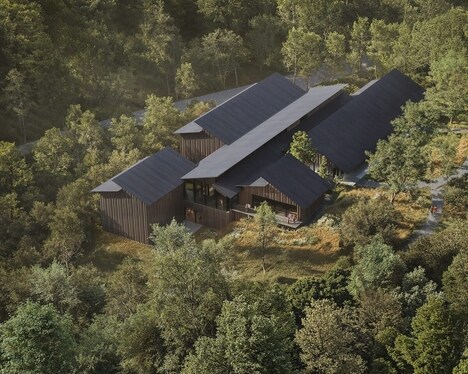
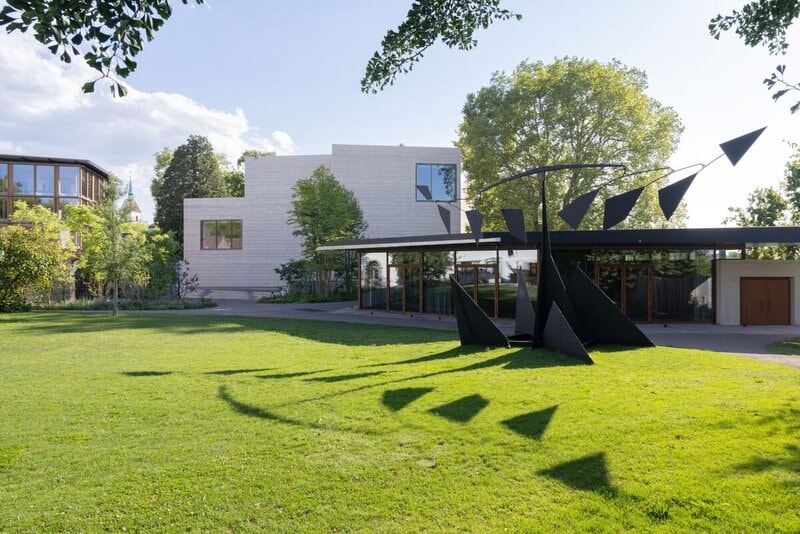
Fondation Beyeler is expanding its Basel campus with the 'Wyss Museum,' a Peter Zumthor-designed exhibition building that offers visitors more space to see art and more places to spend time beyond the galleries. The soft-opened expansion also adds an event pavilion, an office and art-handling hub, a greenhouse, and a listening salon.
Inside the Wyss Museum, Jura limestone runs through the walls and floors, making the rooms feel sculptural rather than like plain white galleries. Broad side windows bathe the interiors in gentle light and offer moments to look back out at the surrounding greenery.
For museums, this means an expansion can serve as a programming engine, not just an extra display area. By pairing exhibitions with spaces for talks, listening, and longer stays, a larger campus can turn a single art stop into a day-shaping visit.
Image Credit: Iwan Baan
What Makes This Trend Stand Out
- Experiential Museum Campuses
- Expanded cultural sites that blend galleries, event spaces, lounges, and outdoor areas create new value through longer visits and more diverse audience engagement.
- Material-led Exhibition Design
- Architectural use of stone, light, and landscape turns museum interiors into immersive experiences that differentiate institutions beyond the artworks on display.
- Slow-culture Destinations
- Museums designed for lingering, listening, and reflection support premium cultural experiences that extend dwell time and reshape visitor expectations.
Sectors Adopting This
- Museums and Galleries
- Campus-style expansions introduce fresh revenue and programming models by connecting exhibitions with hospitality, education, and live events.
- Architecture and Design
- Demand for sculptural, sensory public buildings opens opportunities for firms specializing in place-based design that merges art, nature, and visitor comfort.
- Cultural Tourism
- Destination museums with multi-use amenities strengthen local travel appeal by transforming a single exhibition visit into a full-day cultural itinerary.