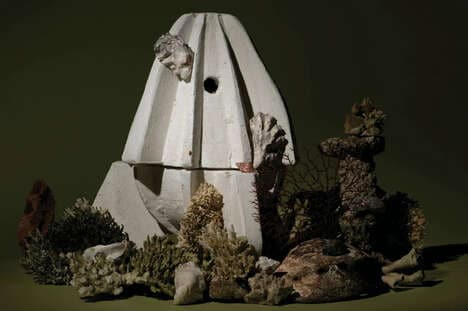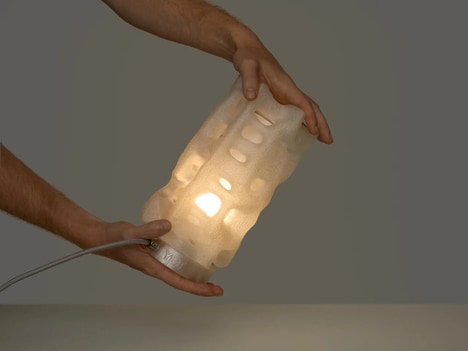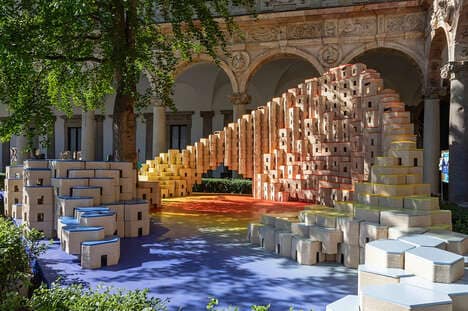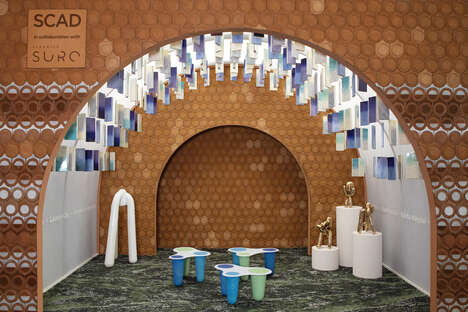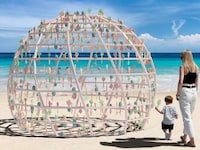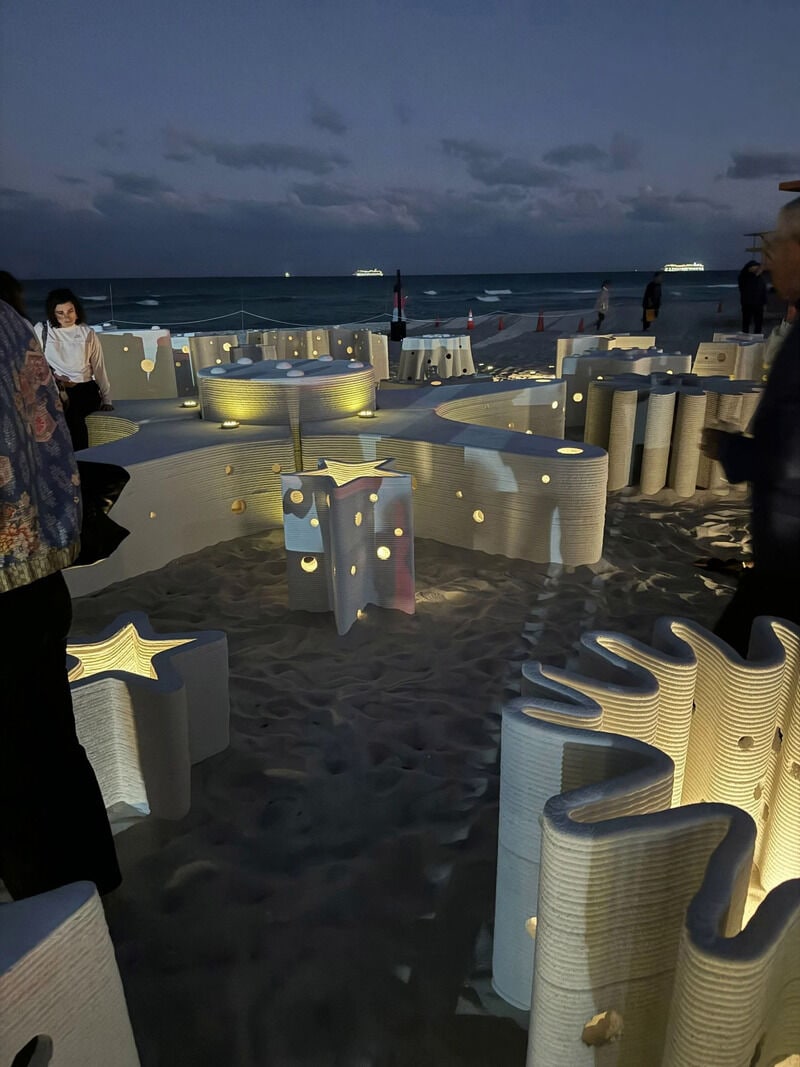
Architect Alberto Latorre works in collaboration with artist Carlos Betancourt to install the Miami Reef Star series underwater. The range of 3D-printed stars is seen along the shore of Miami Beach as a part of Miami Art Week and it is comprised of models of structures that will eventually be placed underwater as a reflection of a 'hybrid coral reef.' The installation is a part of the larger rollout of ReefLine.
The team speaks about the project, noting "Placed in 15-20 feet (4.5 to 6 metres) of water and within swimming distance from the shore, the ReefLine will feature environmentally functional artworks, incorporating proprietary materials that will act as hybrid coral reefs, and offer the community a free opportunity to engage directly with Miami's marine biodiversity and underwater public art."
Image Credit: Ben Dreith
What's Driving This Trend
- Underwater Art Installations
- 3D-printed underwater art installations that merge ecological function with visual aesthetics are emerging as a captivating blend of innovation and environmental stewardship.
- Hybrid Coral Reefs
- The development of hybrid coral reefs utilizing proprietary materials indicates a transformative approach to marine conservation and art integration.
- 3d-printed Environmental Art
- The integration of 3D printing in creating environmental art pieces showcases a pioneering effort to address ecological challenges through creative designs.
Who This Affects Most
- Marine Conservation
- Innovative uses of hybrid coral reefs in marine conservation highlight the potential for artistic collaboration to bolster ecological resilience.
- Artificial Reef Construction
- Artificial reef construction is being revolutionized by the incorporation of 3D-printed materials to create more effective and visually striking marine habitats.
- Sustainable Art
- The field of sustainable art is finding new expressions through projects that not only beautify underwater environments but also promote marine biodiversity.