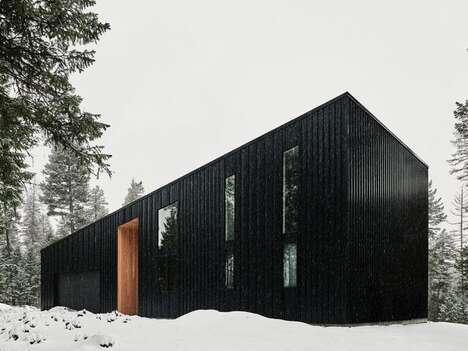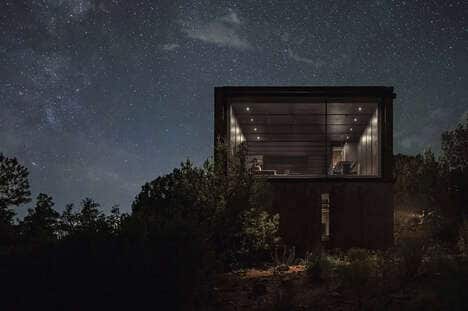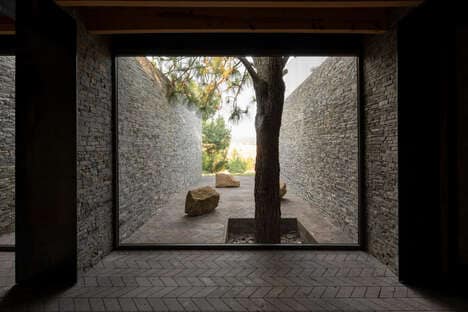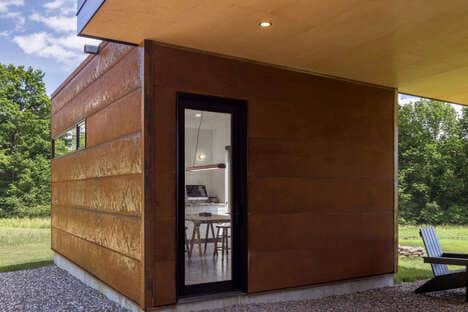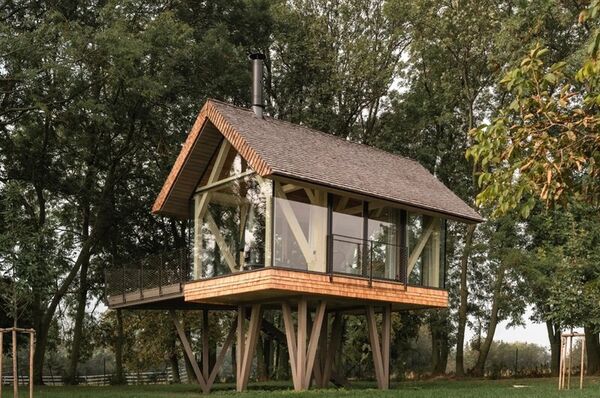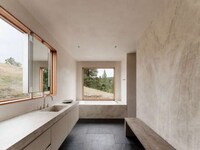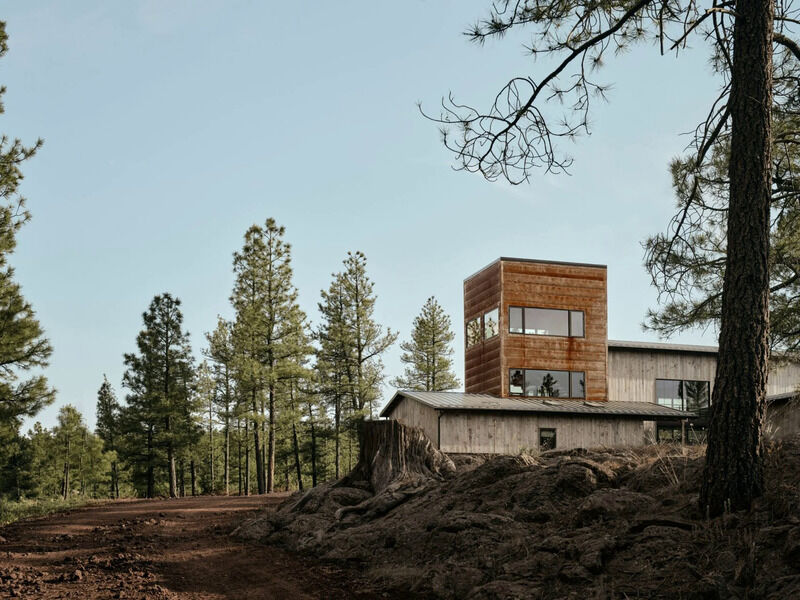
American design studio The Ranch Mine completes the Malapai Tower House, which is a family residence in Arizona detailed with wood and weatherizing steel clad. It features a taller structure that functions as "a sentinel for potential forest fires." To access the home, there is a long dirt road as the house is resting on a hillcrest. The namesake comes from the Spanish term 'malpaís.'
This means bad terrain and is usually applied to land with eroded volcanic rocks. The design team at the Phoenix-based studio speaks about the notion behind the project and how they aim to create a house that works to have "harmonious symbiosis with the lush wilderness. It serves as a conduit between civilization and the wild, uniting the comforts of home with the untamed beauty of the natural world."
Image Credit: Dan Ryan Studio
Key Themes Behind This Trend
- Weatherized Steel Clad Homes
- The use of weatherizing steel clad in residential architecture creates an opportunity for homes to be more resilient in extreme weather conditions.
- Taller Structure Homes
- The incorporation of taller structures in residential design presents an opportunity for homes to serve multiple functions, such as acting as a sentinel for potential forest fires.
- Wilderness-inspired Architecture
- Designing homes inspired by lush wilderness allows for a harmonious symbiosis between civilization and the natural world.
Where This Applies
- Architectural Design
- Incorporating weatherizing steel clad and taller structures in residential architecture creates opportunities for innovative designs.
- Residential Construction
- The use of weatherizing steel clad in residential construction provides an opportunity to enhance the durability and resilience of homes.
- Environmental Conservation
- Creating wilderness-inspired architecture promotes the integration of natural elements into built environments, contributing to environmental conservation efforts.