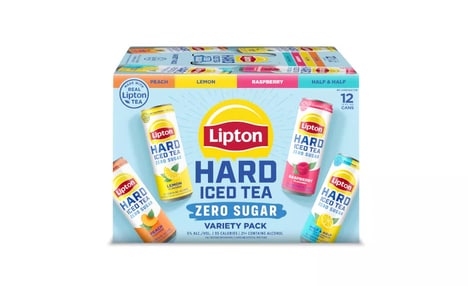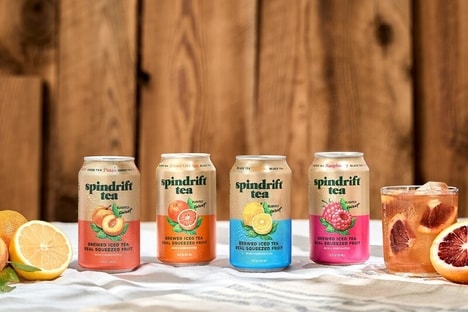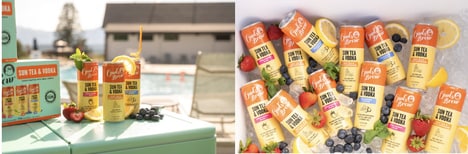
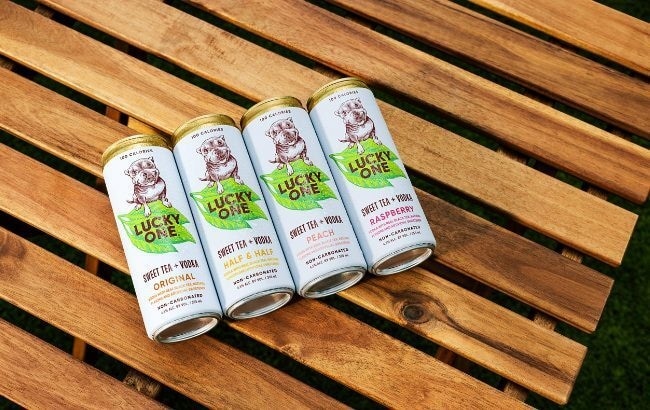
The Lucky One Sweet Tea range has been developed by the ready-to-drink (RTD) brand as a series of premium refreshments perfect for helping consumers to easily access a high-quality hard drink with no mixing required. The drink range has a non-carbonated profile, a 4.5% ABV and features 100-calories to allow for easier portioning when being enjoyed solo or socially. The drinks come in four flavors including Original, Half & Half, Raspberry and Peach, which are each made with real brewed sweet tea and premium with no malt-based alcohol.
Chief Commercial Officer at brand owner Gallo spoke on the Lucky One Sweet Tea range saying, "Sweet tea is a natural next step for us. As the category has rapidly expanded, we saw a clear opportunity to premiumise the space – delivering the sweeter, full-flavour, and sessionable taste consumers are increasingly seeking, while staying true to the values that make Lucky One more than just a beverage brand.”
Key Themes Behind This Trend
- Malt-free Vodka-based Rtds
- The growth of vodka-based, malt-free ready-to-drink beverages highlights a shift toward distilled-spirit RTDs that could reorient supply chains and product formulations around non-malt alcohol bases.
- Premium Non-carbonated Hard Teas
- Non-carbonated, brewed-tea RTDs positioned as premium and sessionable reflect consumer interest in full-flavor, lower-calorie alternatives to traditional fizzy alcoholic drinks, creating space for differentiated brewing and flavor-extraction techniques.
- Portion-controlled Low-calorie Alcohol
- The emphasis on 100-calorie, single-serve cans indicates rising demand for calorically transparent alcoholic options, spotlighting opportunities for nutritional positioning and novel reformulation strategies.
Where This Applies
- Beverage Manufacturing
- Manufacturers face opportunities to adapt production lines for brewed-tea integration with distilled spirits and to innovate around malt-free process controls and flavor stability.
- Packaging and Canning
- Single-serve, premium RTDs underscore the importance of can design and barrier technologies that preserve brewed-tea quality and support clear caloric and ingredient communication.
- Hospitality and Foodservice
- Bars and restaurants can leverage malt-free hard teas as a differentiated, sessionable beverage category that aligns with demand for lower-calorie, pre-mixed premium drinks.