Liz Hickok's incredible JELL-O architecture art just might be the tastiest and most colorful artwork you've ever seen.
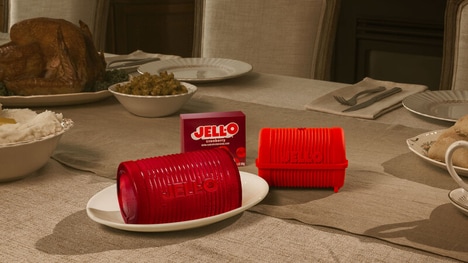
Made entirely from JELL-O, Liz Hickok's creations are small-scale replicas of famous landmarks and American cities that not only look awesome, but also dissolve without a trace after a certain period of time. By leaving no trace, her art makes a bold statement and then limits its carbon footprint merely to photos and memories.
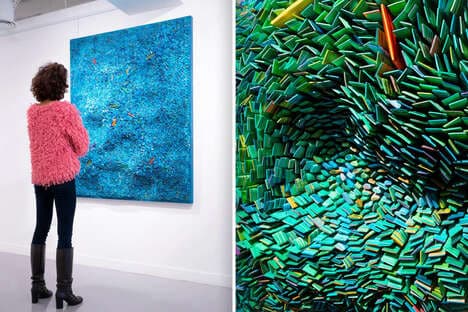
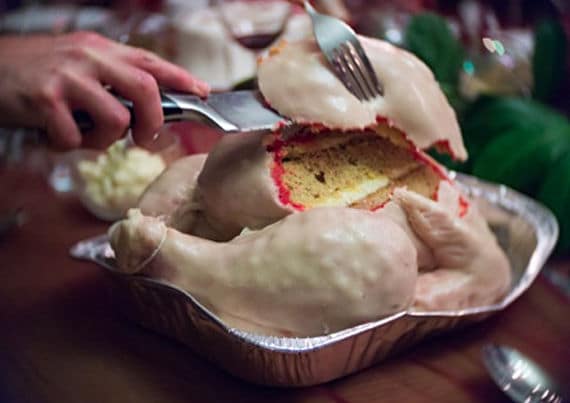
Implications - Consumers are fascinated with food sculptures because they take familiar, delectable goods, and re-contextualize them in unexpected ways. Corporations looking to introduce new products to consumers should similarly integrate familiar elements into the physical design of a product.
Why This Trend Is Growing
- Food Sculpture Art
- The trend of creating sculptures and art using food products has become popular, offering new ways to engage and delight consumers.
- Zero-impact Art
- Artists like Liz Hickok are pioneering the concept of creating art that dissolves without leaving a trace, offering new opportunities for environmentally conscious art and installations.
- Unexpected Physical Design
- The integration of familiar elements into the physical design of products can offer a unique and memorable twist for consumers.
Industries Being Reshaped
- Food and Beverage Industry
- The food and beverage industry can explore the trend of food sculpture art to create unique and visually appealing products that offer new sensorial experiences to consumers.
- Art and Design Industry
- The art and design industry can capitalize on the trend of zero-impact art to create environmentally friendly installations, adding a new layer of impact and relevance to their works.
- Consumer Product Development Industry
- The consumer product development industry can innovate by integrating familiar elements, such as food, into the physical design of their products, to create memorable and engaging experiences for consumers.