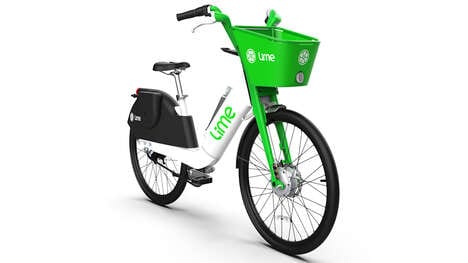
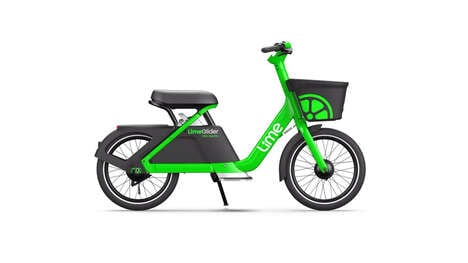
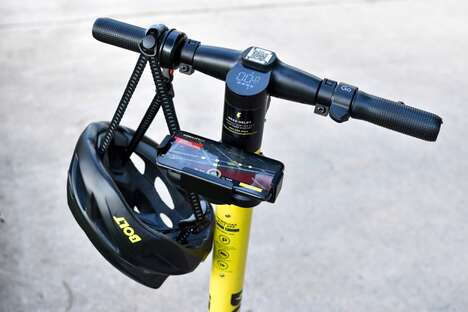
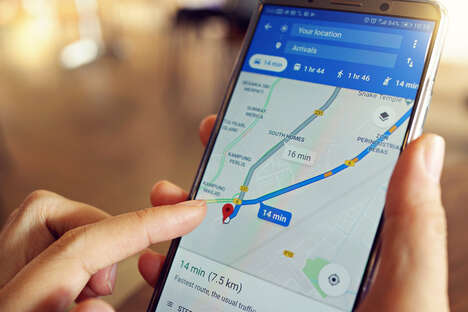
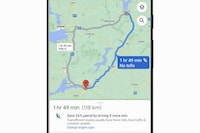
Google Maps will be making it easier for users to find Lime e-scooters or bikes. Recently Google Maps on Android devices will be able to help users locate Lime e-scooters, this will include not only the location of a scooter but also walk time, ride prices, battery range and more. An iOS version of the update is said to be rolling out in the next few weeks. Users will still be required to use the Lime app in order to unlock a scooter or bike, however, a shortcut will be added to Google Maps which makes the process quicker.
The new Lime locating feature is currently available to Google Maps users in a number of cities. Cities with the new feature include Chicago, Los Angeles, Berlin, Calgary, London, Paris, Rio de Janeiro, and San Jose.
Image Credit: Lime
Key Themes Behind This Trend
- E-scooter Location Tracking
- Integration of e-scooter location tracking on Google Maps makes it more convenient for users to locate e-scooters and bikes.
- Smart Mobility Services
- Integrating mobility services such as Lime's e-scooters with Google Maps opens up new opportunities for companies to offer smart mobility services.
- Digital Mapping Integration
- Digital mapping integration improves transportation efficiency by enhancing mobility service accessibility and visibility.
Where This Applies
- Ride-sharing Services
- Ride-sharing services can leverage the digital mapping integration to increase their offerings and offer a better end-to-end user experience.
- Transportation Infrastructure
- The integration of digital mapping with smart mobility services will enable transportation infrastructure providers to optimize infrastructure capacity and user experience.
- Mobile App Development
- Mobile app developers can leverage the opportunity to provide an all-in-one service experience utilizing digital mapping and smart mobility services integration.