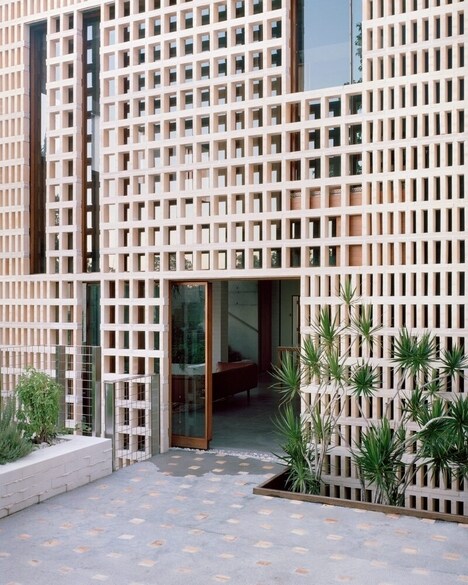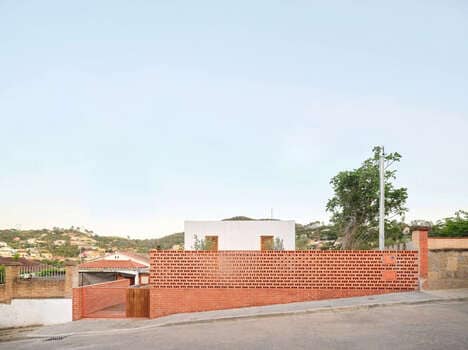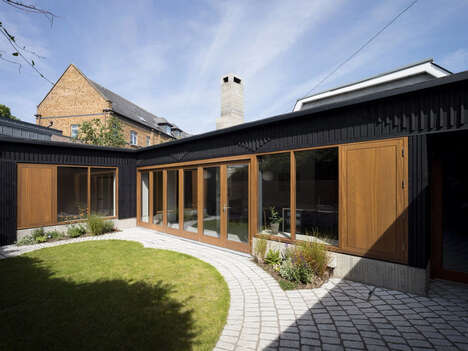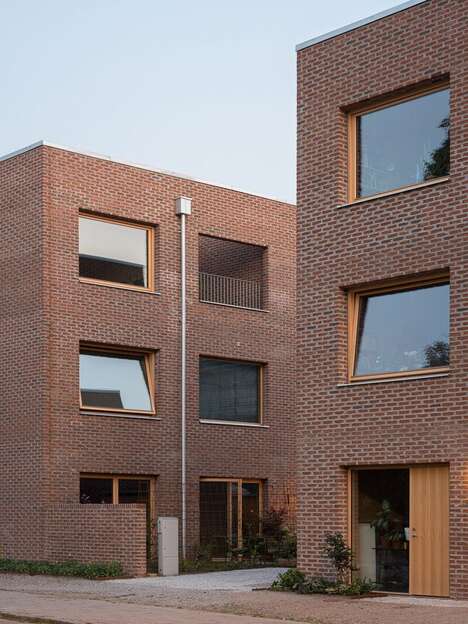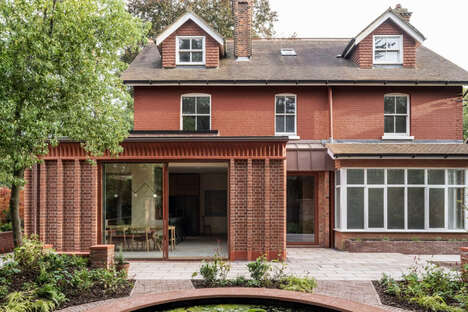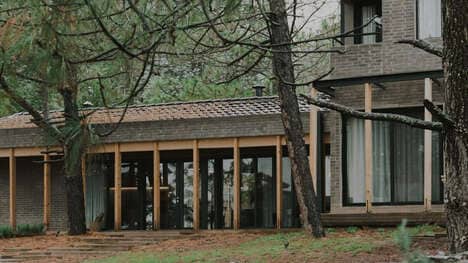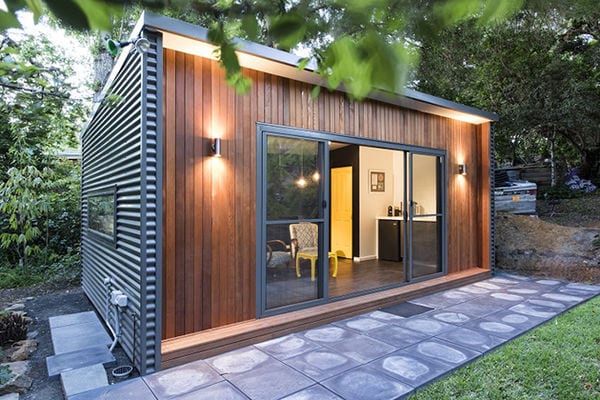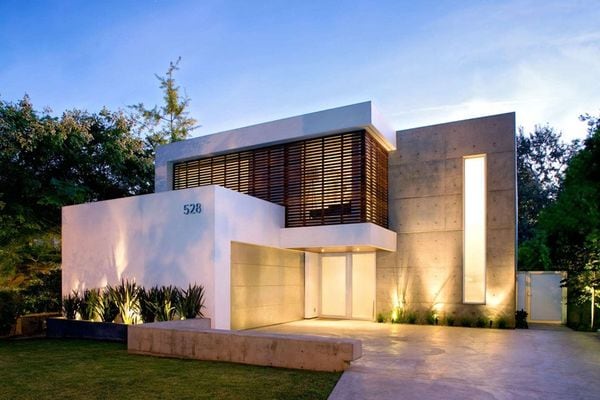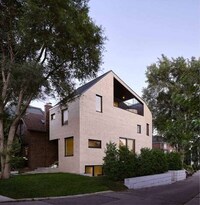


The Brick House by Leth and Gori embodies modern design ideals. The project "creates innovation by reinventing history and by revisiting materials and solutions from historic houses."
The result is a home that merges these historical materials and solutions with modern design principles. The abode relies on sustainable practices and is part of a development project titled Mini-CO2. This initiative is the work of philanthropic foundation Realdania whose aim is to develop affordable and eco-friendly housing with a low CO2 footprint.
So far, the project features a total of six houses that have been built on a site in Nyborg, Denmark. Leth and Gori's Brick House is one of them and is a site that "rediscovers knowledge and techniques from traditional practices."
What's Driving This Trend
- Eco-friendly Housing
- There is a trend for sustainable, low CO2 footprint housing that uses historical materials and solutions alongside modern design principles.
- Innovative Real Estate Development
- There is a trend towards innovative, philanthropic real estate development that aims to provide affordable and sustainable housing solutions.
- Reinventing Traditional Practices
- There is a trend for projects that rediscover traditional knowledge and techniques in order to create innovative and sustainable homes.
Who This Affects Most
- Real Estate
- The real estate industry can embrace the trend for eco-friendly housing and innovative real estate development to provide sustainable homes at affordable prices.
- Construction
- The construction industry can tap into the trend for using historical materials and traditional practices in a modern context to create sustainable homes.
- Architecture
- The architecture industry can capitalize on the trend for sustainable and affordable housing to create innovative designs that use both modern and traditional techniques and materials.