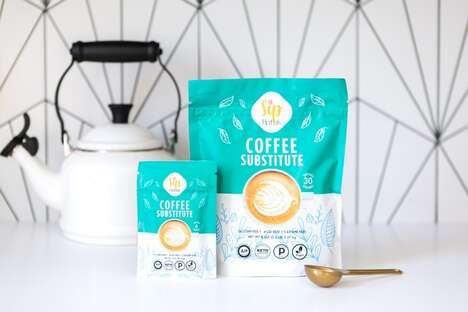

As awareness grows around the environmental impact of coffee production, bean-free coffee innovations like Koppie are emerging. Koppie's single-ingredient coffee alternative taps into the power of legumes, which are naturally fermented and roasted as part of a patent-pending process to achieve the richness of coffee with a lower climate impact. This beanless coffee tackles several concerns about the coffee industry, from large coffee supply-demand gaps and the skyrocketing prices of green coffee to fair wages for farmers.
Koppie recognizes that people have been brewing coffee alternatives for centuries and yet, many forget that flavor creation begins well before roasting. These whole-bean brews made from legumes are touted as "just as sippable, more sustainable" and a solution not to replace coffee but to reimagine daily rituals.
Key Themes Behind This Trend
- Sustainable Coffee Alternatives
- Eco-friendly coffee substitutes like Koppie's legume-based brew are entering the market, reducing environmental impact compared to traditional coffee production.
- Fermented Beverage Innovation
- Beverages that utilize the fermentation process, such as Koppie's legume roast, are creating new flavor profiles and health benefits.
- Single-ingredient Products
- The trend towards simplicity and transparency in consumables is emphasized by Koppie's use of a one-ingredient product that highlights the benefits of legumes.
Where This Applies
- Coffee Industry
- The shift toward bean-free coffee options presents a significant change in how coffee enthusiasts approach traditional coffee consumption.
- Legume Cultivation
- As alternative uses for legumes in beverages expand, the industry may see increased demand and innovation in legume farming practices.
- Sustainable Agriculture
- Drawn by the decreasing ecological footprint of new beverage alternatives, methods of sustainable agriculture gain prominence within global markets.