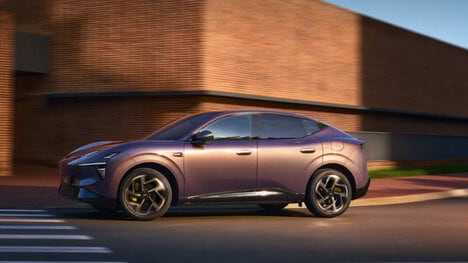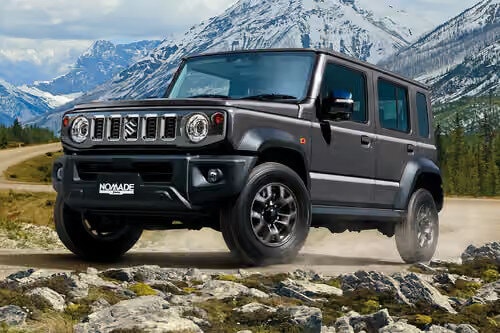
The Suzuki Jimny Nomade helped drive a record 72,330 Japanese-brand vehicles imported into Japan during the first half of 2026, a 38 percent increase year over year. Suzuki accounted for 34,288 imported units, making it the country's leading imported automotive brand ahead of Mercedes-Benz. Built exclusively in India, the five-door Jimny Nomade pairs a 1.5-liter engine with increased cargo capacity and generated more than 50,000 reservations before domestic pre-orders were temporarily suspended.
The increase reflects a broader shift toward overseas manufacturing in markets including India and Thailand. Toyota imported 15,977 vehicles during the same period, supported by demand for the Thai-built Hilux and Land Cruiser FJ. Honda reported lower import volumes despite introducing the Thailand-built CR-V Hybrid, while Mazda's overseas-built vehicle imports also declined. The figures highlight the growing role of offshore production in supplying the Japanese domestic market across multiple manufacturers.
Image Credit: Suzuki, hypebeast
Why This Trend Is Growing
- Reverse Import Growth
- Rising consumer acceptance of Japanese-brand vehicles built overseas creates room for localized global production models that blur the line between domestic heritage and international sourcing.
- India-built Automotive Demand
- Strong reservations for India-produced vehicles signal potential for emerging manufacturing hubs to become premium supply sources for mature auto markets.
- Compact Utility Expansion
- Heightened interest in five-door compact off-road vehicles reflects whitespace for lifestyle-oriented utility models that combine urban usability with rugged capability.
Industries Being Reshaped
- Automotive Manufacturing
- Offshore assembly networks are reshaping cost structures and supply flexibility for automakers serving demand in highly brand-loyal domestic markets.
- Global Supply Chain
- Cross-border vehicle flows highlight opportunities for more adaptive logistics, production allocation, and inventory planning across regional manufacturing bases.
- Mobility Retail
- Pre-order surges and temporary reservation suspensions indicate new possibilities for demand forecasting, digital sales queues, and scarcity-based launch strategies.