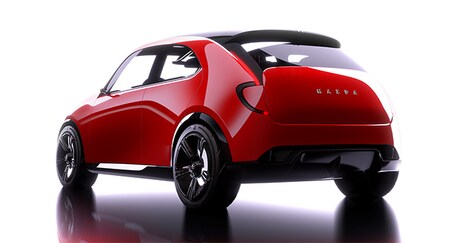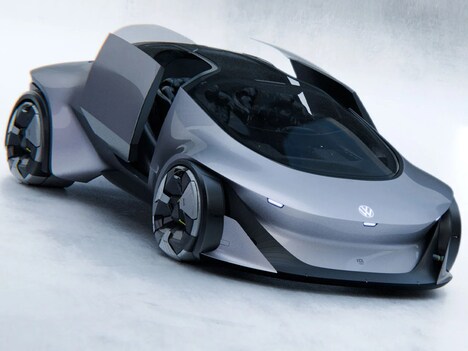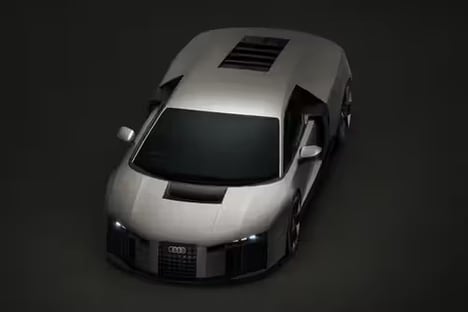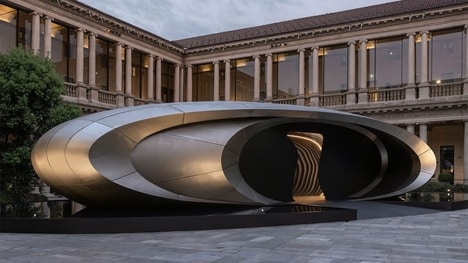
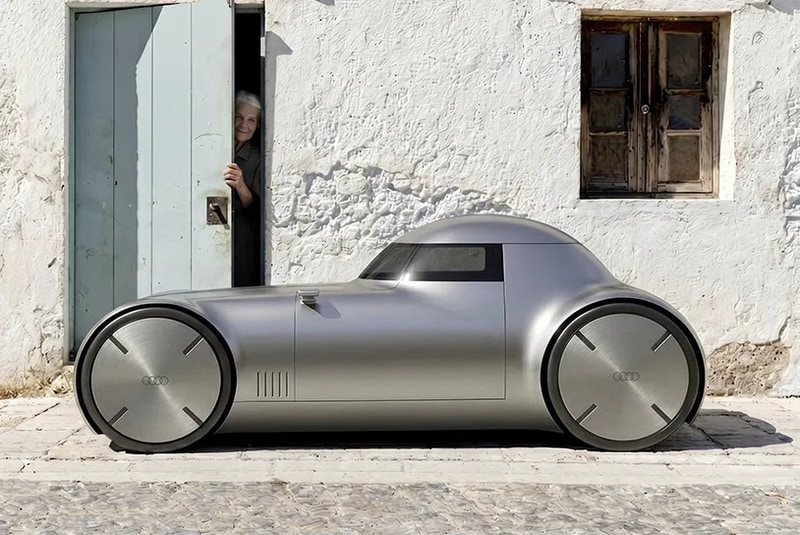
The conceptual Audi ZERØ CØupé vehicle has been designed by Wini Camacho as an electric transportation solution that takes a highly geometric approach to automotive aesthetics. The vehicle is observed as a take on five primary volumes that include four tubes and a singular sphere, which work together to define how the car looks but also how it operates. The conceptual vehicle is observed in two styles including an enclosed one and an open-top alternative, which are each also designed in performance options that would be ready for track racing.
The conceptual Audi ZERØ CØupé vehicle takes a minimalist approach that includes a machined aluminum body that's further enhanced with mechanical components and tactile controls for precision performance.
Image Credit: Wini Camacho
What's Driving This Trend
- Geometric Vehicle Design
- Minimalist forms built from primary shapes create fresh visual identities while enabling modular engineering and differentiated electric mobility experiences.
- Machined Aluminum Aesthetics
- Precision-finished metal bodies signal opportunities for premium automotive concepts that merge industrial durability with luxury design language.
- Dual-format Performance Evs
- Convertible and enclosed configurations expand the appeal of electric sports platforms by blending track-ready functionality with customizable lifestyle use.
Who This Affects Most
- Automotive Design
- Concept vehicles with radical geometric silhouettes introduce new possibilities for brand expression, aerodynamic experimentation, and emotional product differentiation.
- Electric Vehicles
- Performance-focused EV concepts highlight market space for electric coupes that combine sculptural minimalism with tactile driver engagement.
- Advanced Manufacturing
- Machined components and precision aluminum construction point to manufacturing models where material craftsmanship becomes a core feature of next-generation mobility.