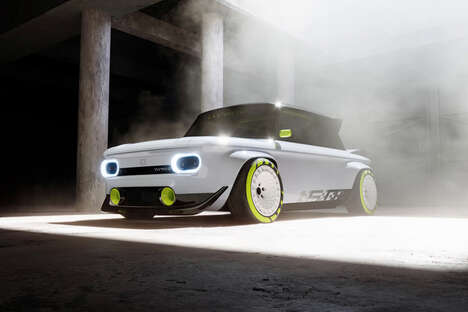
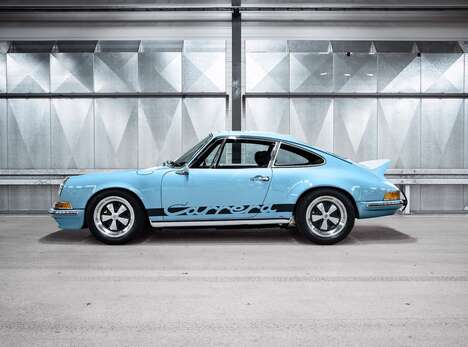
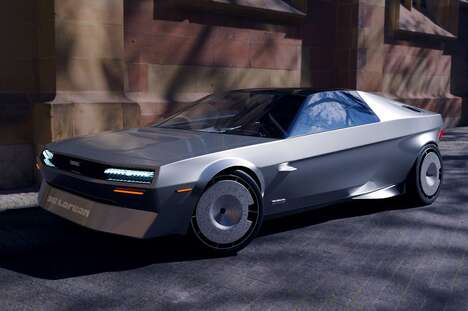
Companies like Tesla have created a futuristic public perception of the electric car, but the Jaguar E-Type Zero shows that energy-efficient electric motors can also be housed in retro shells. The vehicle is styled after the Jaguars of the 1960s, but instead of a howling gas engine, the Jaguar E-Type Zero is designed with a bespoke electric powertrain capable of going 0 - 100 kilometers per hour in just 5.5 seconds.
The E-Type Zero gets its impressive pickup from 220 kilowatts of power simmering under the hood, but that doesn't preclude practicality. The engine runs on a 40 kilowatt hour battery, giving it a real-world range of approximately 270 kilometers.
The goal of Jaguar's new vehicle is to prove that electric vehicles can still be housed in classic cars' frames.
Key Themes Behind This Trend
- Retro-styled Electric Cars
- The Jaguar E-Type Zero demonstrates the trend of combining vintage aesthetics with modern electric technology.
- Energy-efficient Electric Motors
- The E-Type Zero showcases the trend of using powerful electric motors that provide impressive acceleration while being energy-efficient.
- Revitalizing Classic Car Designs
- Jaguar's new vehicle highlights the trend of revitalizing classic car designs by integrating eco-friendly electric powertrains.
Where This Applies
- Automotive
- The automotive industry can explore opportunities to create more retro-styled electric cars, attracting customers who appreciate vintage aesthetics combined with sustainable technology.
- Electric Vehicle Manufacturing
- The electric vehicle manufacturing industry can capitalize on the trend of energy-efficient electric motors to develop high-performance yet eco-friendly vehicles.
- Classic Car Restoration
- The classic car restoration industry can benefit from disruptive innovation opportunities by incorporating electric powertrains into vintage car designs, appealing to both car enthusiasts and eco-conscious customers.