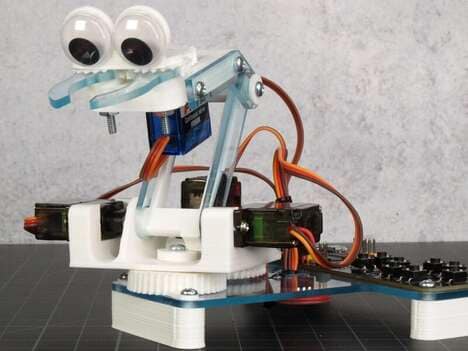
Interactive Robogami from a team from the MIT Computer Science and Artificial Intelligence Laboratory (CSAIL) looks to change perceptions of how robotics are perceived by those with no background in the field.
The robotic examples are achieved by having users utilize a database of designs that can then be printed using a 3D printer in order to create something that is not quite like anything seem before. This increases the functional capabilities to let users create freely rather than having to feel restricted by their own experience limitations.
Interactive Robogami works by having 2D components printed before being formed into a 3D figure, which in turn reduces the required materials by up to 70% and reducing printing time by 73%.
What Makes This Trend Stand Out
- Customizable Robotic Toys
- The trend of customizable robotic toys allows users to create unique designs using 3D printing technology, providing a different experience than traditional pre-built toys.
- User-friendly Robotics
- The trend of user-friendly robotics aims to make robotics accessible to individuals with no background in the field, promoting creativity and exploration.
- Efficient 3D Printing
- The trend of efficient 3D printing, as seen in the reduced materials usage and printing time of Interactive Robogami, presents opportunities to optimize production processes.
Sectors Adopting This
- Toy Manufacturing
- The customizable robotic toys trend opens up opportunities for toy manufacturers to offer personalized and unique products that cater to individual preferences.
- Education
- The user-friendly robotics trend can disrupt the education industry by providing hands-on learning experiences that engage students and promote STEM skills.
- Additive Manufacturing
- The efficient 3D printing trend presents opportunities for the additive manufacturing industry to improve production efficiency, reduce costs, and explore new design possibilities.