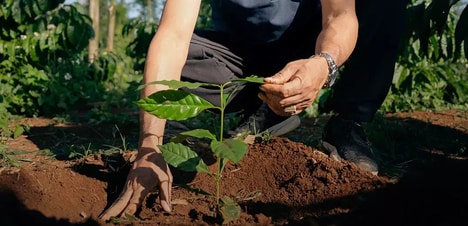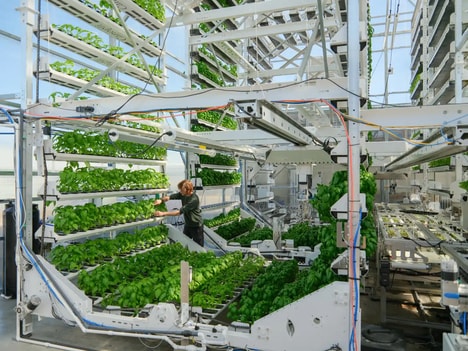

Planet Farms is expanding controlled-environment agriculture into coffee, testing indoor cultivation as it widens a model built on salads and basil. The Italian grower is shaping crops for industrial customers that want supply produced nearer their processing sites, with steadier quality.
Coffee is still in trial mode, while new facilities are lined up beyond Italy: construction in the UK is due to start shortly, with completion planned for the first half of 2028, and a Sweden plant is slated for the end of that year. The push is backed by Cirimido, which now produces 90,000 salad packs a day after a €62.5 million build-out.
UK and Sweden expansion turns the coffee work into a supply-chain play for processors that want crops grown closer to their factories. Cirimido's 90,000-pack daily output shows the indoor model can scale before coffee moves beyond trials.
Image Credit: Planet Farms
Why This Trend Is Growing
- Indoor Coffee Cultivation
- Controlled-environment coffee production introduces a path to reduce climate volatility in sourcing while creating premium ingredient streams with more predictable quality.
- Localized Crop Supply
- Growing specialty crops closer to processing hubs reshapes agricultural logistics by shortening supply chains and improving reliability for industrial buyers.
- Scalable Vertical Farming
- High-output indoor farming facilities demonstrate how leafy green infrastructure can evolve into broader crop platforms for higher-value categories.
Industries Being Reshaped
- Coffee Production
- Indoor cultivation could redefine coffee supply by enabling regional production models less dependent on traditional growing geographies.
- Controlled-environment Agriculture
- Expansion into complex crops such as coffee broadens the sector’s role from fresh produce supply to industrial ingredient manufacturing.
- Food Processing
- Processors gain new sourcing possibilities as nearby controlled farms offer steadier inputs tailored to factory-scale production requirements.