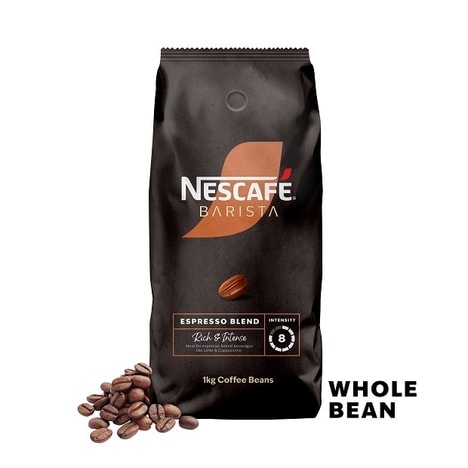
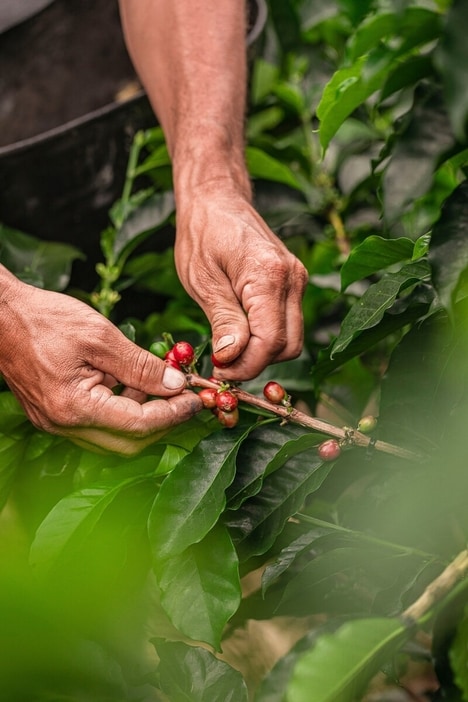
Regenerative coffee sourcing is reshaping global coffee procurement by embedding climate-focused farming practices directly into supply chain strategies. Nescafé now sources more than half of its green coffee from farmers using regenerative agriculture, supported by expanded field programs, agronomist training, and climate-resilient farming techniques such as agroforestry and optimized fertilization. The company is also investing in new coffee plant varieties and renewable energy across its manufacturing operations to strengthen long-term supply resilience.
For businesses, this demonstrates how procurement strategies are evolving beyond sourcing raw materials to actively supporting supplier development and environmental performance. Building closer partnerships with growers can improve supply stability, reduce climate-related production risks, and help meet emissions targets. As demand for sustainably produced agricultural commodities increases, regenerative sourcing programs are becoming an important competitive advantage for food and beverage companies seeking resilient, transparent, and future-ready supply chains.
Image Credit: Nescafé
Why This Trend Is Growing
- Regenerative Supply Chains
- Climate-positive sourcing models are creating room for procurement platforms that verify farm practices, quantify ecological gains, and connect brands with resilient grower networks.
- Farmer Enablement Programs
- Expanded agronomist training and field support highlight opportunities for scalable advisory services, financing tools, and data systems that improve yields while reducing climate exposure.
- Climate-resilient Crop Innovation
- New plant varieties, agroforestry methods, and optimized inputs are opening space for agricultural technologies that protect commodity supply under shifting weather conditions.
Industries Being Reshaped
- Coffee Production
- Regenerative farming adoption is redefining competitive advantage through traceable beans, diversified farm ecosystems, and stronger long-term supplier relationships.
- Food and Beverage
- Sustainable procurement benchmarks are pushing brands toward differentiated products backed by lower-emission ingredients and transparent environmental performance.
- Agricultural Technology
- Digital monitoring, soil analytics, and farm management tools are becoming essential infrastructure for measuring regenerative outcomes across global commodity chains.