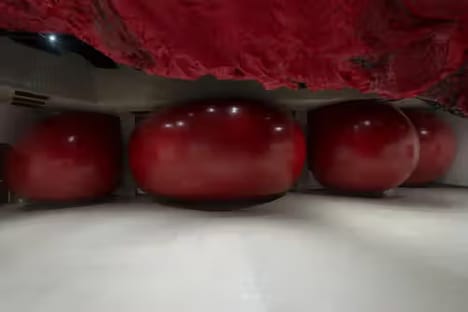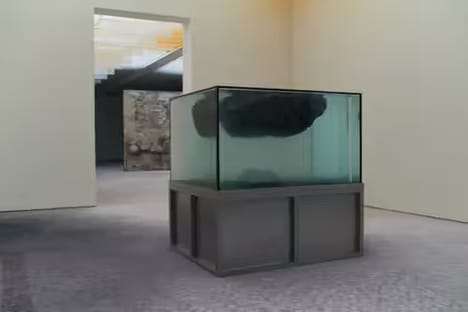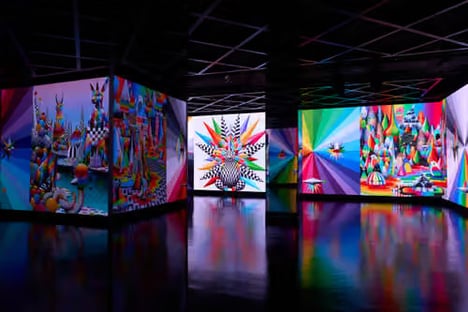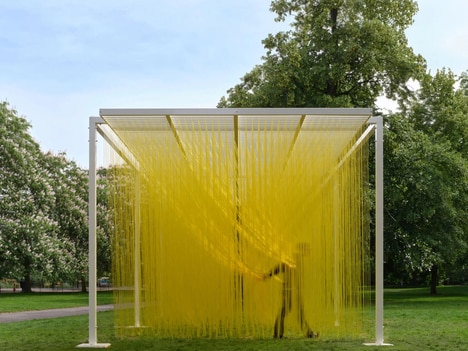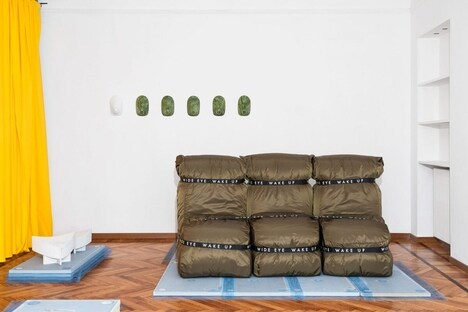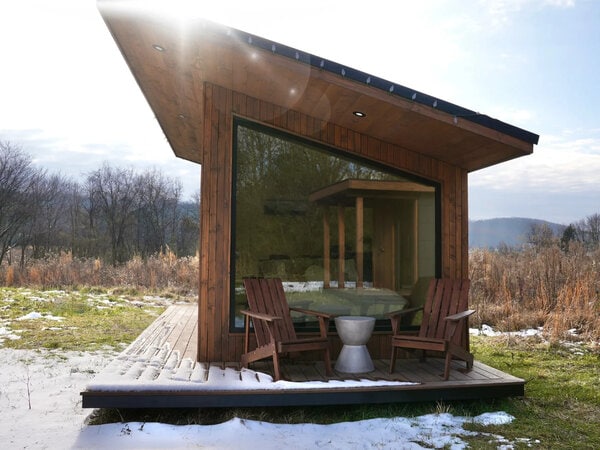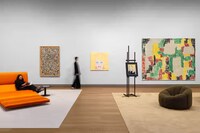
Immersive sensory art installations are encouraging deeper visitor engagement at the Toledo Museum of Art through Losing Ourselves Together: The Art of Bobby Anspach. The exhibition marks the first major American museum presentation of Anspach's work, featuring interactive sculptures that combine visual effects, ambient sound, and personal reflection. A newly adapted prototype also accommodates visitors with different physical abilities.
Three installations from the artist's Place for Continuous Eye Contact series invite participants to experience three-minute encounters involving mirrors or shared eye contact. Colored lighting, textured materials, and music by Eluvium create environments that challenge conventional perceptions of space and awareness. Additional artworks and a meditation area extend the experience.
For museums, the exhibition demonstrates how participatory art can encourage meaningful audience interaction. Its accessibility-focused adaptation also highlights opportunities to make immersive cultural experiences available to a wider range of visitors.
Image Credit: Gabrielle Beaumont
Why This Trend Is Growing
- Accessible Immersive Exhibits
- Adaptive installation design is expanding sensory art participation by making shared cultural experiences more inclusive for visitors with varied physical abilities.
- Participatory Museum Experiences
- Interactive sculptures and structured visitor encounters are reshaping museums into spaces for emotional engagement, reflection, and social connection.
- Multi-sensory Art Environments
- Layered sound, lighting, texture, and spatial design are creating new formats for exhibitions that deepen attention and alter perceptions of place.
Industries Being Reshaped
- Museums and Galleries
- Cultural institutions are using immersive formats to increase visitor engagement and differentiate exhibitions beyond traditional viewing models.
- Experience Design
- Sensory-driven spatial concepts are opening new possibilities for environments that blend art, wellness, accessibility, and audience participation.
- Assistive Technology
- Inclusive prototypes for interactive installations are highlighting the value of adaptive tools within public arts and experiential venues.